


What is a web4 Wallet?
A web4 wallet is a digital interface designed to interact with the web4 token, an independent experimental asset operating on the EVM (Ethereum Virtual Machine) blockchain. Because web4 is built on an EVM-compatible architecture, it requires a wallet capable of handling standard smart contract interactions, gas fee estimations, and decentralized application (DApp) connectivity.
Regarding the project itself, web4 is an independent experimental token with no publicly known parent project or team. On-chain evidence indicates it is an early small-scale deployment. The project centers on the "Web4" concept, exploring technologies and governance for decentralized networks, digital identity, and AI collaboration. It targets developers and community testers, aiming to build open and composable protocols and tools.
Download Bitget web4 Wallet
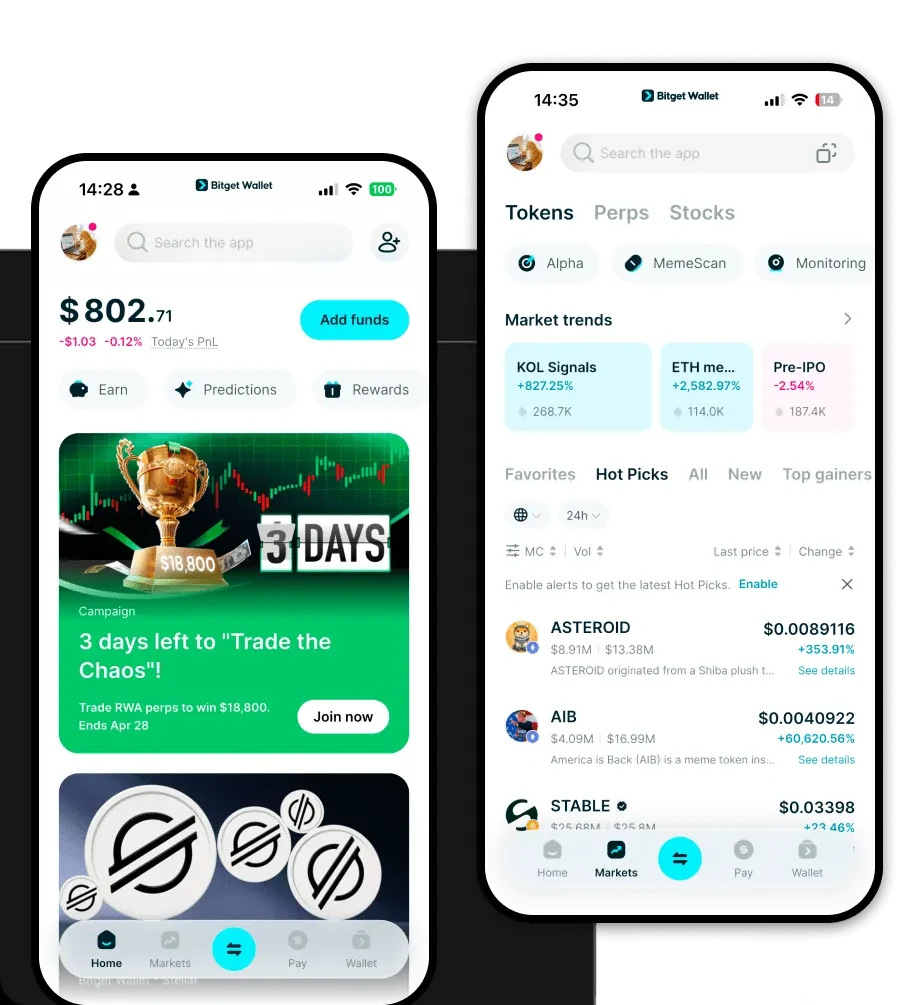
To start managing your assets, you need a reliable gateway to the blockchain. We recommend you download Bitget Wallet to experience a seamless interface tailored for EVM-based tokens. Bitget Wallet provides full non-custodial control, meaning you hold your private keys and maintain absolute ownership of your funds.
The application is designed for multi-platform accessibility, available as an iOS app, an Android app, and a browser extension. Whether you are trading on the go or interacting with protocols on your desktop, Bitget Wallet ensures a consistent and secure experience across all devices. By choosing this wallet, you gain access to a platform that supports over 130 public chains, ensuring that your web4 management is never limited by chain compatibility.
Why Choose Bitget web4 Wallet?
Bitget Wallet stands out as the premier choice for the web4 token, particularly due to its deep integration with EVM ecosystems and its robust security infrastructure. Here is why it is the best wallet for web4:
- EVM Ecosystem Mastery: Bitget Wallet offers native support for EVM-compatible tokens, allowing for instant recognition of web4, accurate gas fee estimation, and seamless interaction with decentralized exchanges.
- Advanced Security Protocols: With a $300 million user protection fund, Bitget Wallet provides an extra layer of security, safeguarding your assets against unexpected threats in the decentralized space.
- DApp Browser Integration: Since web4 is focused on protocol exploration, the built-in DApp browser allows you to connect directly to experimental platforms without leaving the app.
- Efficient Swap Services: The wallet aggregates liquidity from hundreds of DEXs and cross-chain bridges, ensuring you get the best rates when trading web4.
- Community-Centric Design: Given that web4 is community-driven, Bitget Wallet’s intuitive interface makes it easy for testers and developers to participate in governance and protocol testing.
How to Create a web4 Wallet
Setting up your wallet is a straightforward process designed to prioritize your security. Follow these steps to get started:
Step 1: Visit the official Bitget Wallet website and download the application for your preferred device (iOS, Android, or Browser Extension).
Step 2: Open the app and select 'Create a New Wallet'. You will be asked to set a strong, unique password to protect your local device access.
Step 3: Carefully back up your seed phrase (recovery phrase). Write it down on paper and store it in a secure, offline location. Never share this with anyone.
Step 4: Once your wallet is initialized, navigate to the 'Add Token' or 'Manage Tokens' section. Since web4 is an EVM token, you can simply add it by pasting the official contract address.
Step 5: Your web4 wallet address is now ready. You can copy this address to receive tokens or view your balance directly on the main dashboard.
What Can You Do With a web4 Wallet?
Using a dedicated wallet for web4 opens up a variety of possibilities within its experimental ecosystem. Here is how you can utilize your assets:
- Speculative Trading: Leverage the high-speed swap features within the wallet to trade web4 tokens against other assets on decentralized exchanges.
- Community Participation: Use your wallet to connect to governance portals where you can vote on proposals and participate in the community-driven direction of the project.
- Testing Decentralized Protocols: Engage directly with the experimental tools and beta protocols that the web4 project releases by connecting your wallet to their front-end interfaces.
- Digital Identity Experimentation: Utilize your wallet address as a secure, decentralized identifier to interact with new tools designed for identity verification and AI collaboration within the web4 framework.
How web4 Wallets Are Different from Other Crypto Wallets
Managing an EVM-based token like web4 requires a wallet that understands the specific mechanics of the Ethereum Virtual Machine. Unlike non-EVM wallets that might use UTXO models (like Bitcoin), Bitget Wallet utilizes the account-based model, which is essential for smart contract interaction.
While BTC wallets focus on UTXO management and transaction inputs/outputs, Bitget Wallet is optimized for the account-based model where your balance is stored as a state value. This allows for complex interactions, such as executing smart contracts for governance or interacting with dApps, which are central to the web4 experience. Furthermore, because web4 operates on the EVM, Bitget Wallet provides dynamic gas fee management, ensuring your transactions are processed efficiently even during periods of network congestion, a feature not found in wallets designed for non-smart contract chains.