Uniswap V4 Hooks: The new 100x asset machine
SLOP up 80x, sato hit ATH – here's why
While global capital is chasing AI compute and storage chips in US equities, crypto has been having a rough time. Solana memecoins hit a ceiling as pump.fun's PvP model drained liquidity dry. Most meme traders walked away empty.
Then, without warning, a cluster of EVM assets started posting numbers no one expected:
uPEG up 55x in a week
SLOP up 80x in 24 hours
sato hitting an all-time high on day one
All of these trace back to one thing: the Uniswap V4 Hook mechanism.
What are Uniswap V4 Hooks?
Understanding why Hooks matter comes down to one shift: the line between a trading venue and the asset itself has been erased.
Uniswap V1–V3: The vending machine
The old model was simple but rigid. To launch a token, you deploy a token contract, mint the supply, then add it alongside ETH into a Uniswap liquidity pool. The pool ran one fixed formula – more buyers means price goes up, more sellers means it goes down. The asset and the market were two completely separate things.
Uniswap V4: The programmable platform
In January 2025, Uniswap launched V4 with the Hook mechanism. Think of a Hook as a plugin – a piece of code that runs at specific moments in a trade (before a buy, after a buy, on withdrawal). Project teams can now insert their own rules directly into the trading logic. The vending machine has been cracked open.
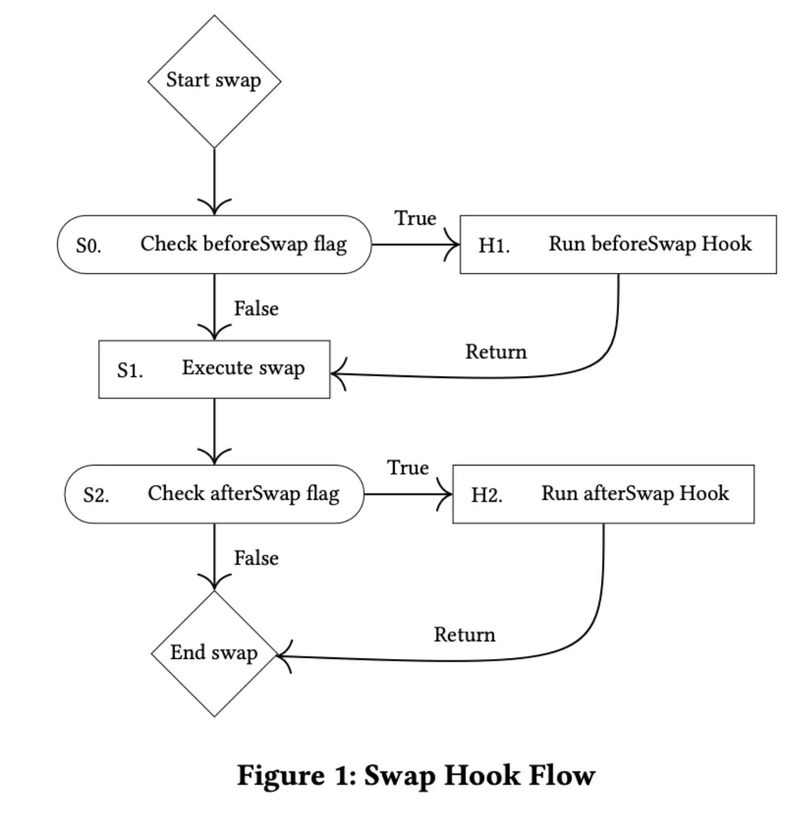
The result? A new category of onchain assets where the tokenomics aren't defined at launch – they're written into every single trade.
V4 launched in early 2025, but the Hook mechanism only came back into focus recently as a new generation of tokens started printing unusual returns. The assets that have emerged fall into two broad categories.
Mechanism assets
Unipeg (uPEG): NFT and liquidity fused into one. Every buy or sell automatically mints or burns a complete NFT in the background.
sato: Introduces a "selfDeprecated" variable – supply locks and minting stops automatically at 99%. The Mint/Burn price split triggered some whale losses, but writing extreme deflation rules directly into the trading pool was enough to capture the market's attention.
Slop (SLOP): Combines token supply reduction with a dynamic pricing curve. Every trade triggers bonding curve logic that adjusts price on the fly, while companion components like Slonks continuously burn supply at the base layer – mechanism-driven deflation at full throttle.
Infrastructure plays
Mechanism assets get the attention. But the infrastructure enabling them is equally worth watching.
Flaunch: A fair-launch platform built on Hooks. It eliminates rug pulls and insider trading by enforcing fee distribution rules at the protocol level – for example, 80% to treasury, 20% auto-buyback and burn – with built-in anti-bot protection.
Doppler: Backed by Pantera Capital and already the default infrastructure for EVM token launches. It brings complex Hook logic down to a one-click experience – the V4-era token factory.
What this signals
Uniswap V4 Hooks are, at their core, programmable asset issuance 2.0. In a market drained of momentum, they've delivered what crypto craves most: a new narrative backed by genuine smart contract innovation.
Will Hooks alone spark a full bull market? Too early to say. But they've already done something meaningful – pulled the market's attention back from pure meme culture to EVM smart contract innovation, where it arguably belongs.