Three tests hit markets at once
CPI, Warsh's debut, and bank earnings collide in July
Three heavyweight variables are landing at the same moment: a sudden revival in Fed rate hike expectations, a dense week of earnings from Wall Street's five biggest banks, and new Fed Chair Kevin Warsh's congressional debut. Markets are at an awkward crossroads – strong corporate profits and AI momentum on one side, resurgent inflation under geopolitical pressure on the other.
The policy balance tips
Just as markets settled on the Fed holding steady, the wind changed direction.
Waller draws the line. Fed Governor Christopher Waller issued a clear warning: if core inflation runs hot again, the FOMC will have to consider near-term tightening. The comment pushed implied odds of a July hike from under 10% to roughly 50%. Two-year Treasury yields jumped to 4.28% in response.
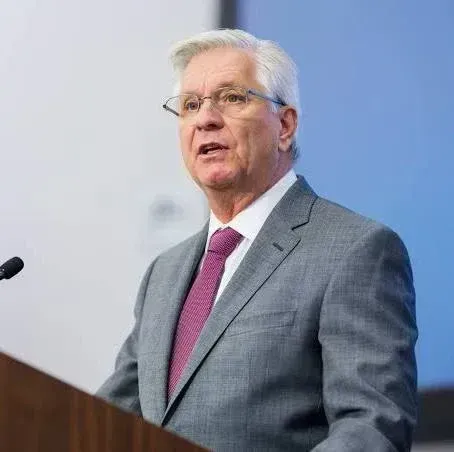
[Image: Fed Governor Christopher Waller]
The new chair changes the game. Warsh's first appearance before Congress has markets on edge. Unlike Powell, Warsh favors scaling back forward guidance on rates. Wall Street's habit of hand-held policy expectation management is ending. Markets will have to fly with lower visibility – and volatility will rise accordingly.
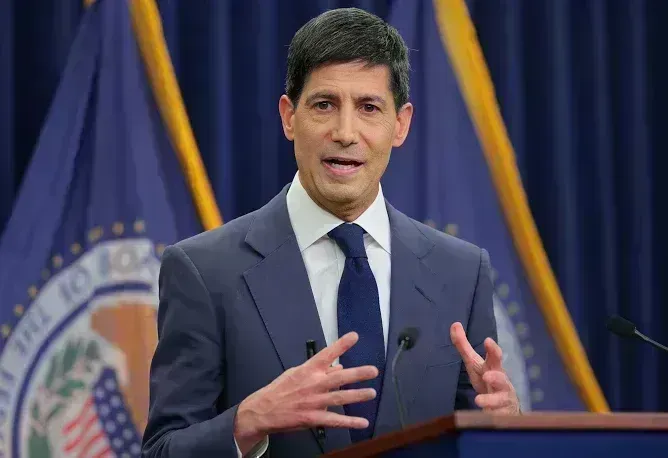
"The odds of a July hike are now higher than no hike. To get inflation back to 2% without hurting the economy, we're going to need some luck." – Ed Al-Hussainy, fund manager at Columbia Threadneedle
Inflation's split personality
June's CPI print told two stories at once.
The energy head fake. Following a 15% drop in gasoline prices, the June CPI-U fell 0.4% month-over-month, reversing May's 0.5% increase. That's the largest single-month decline since April 2020, when the index dropped 0.8%.
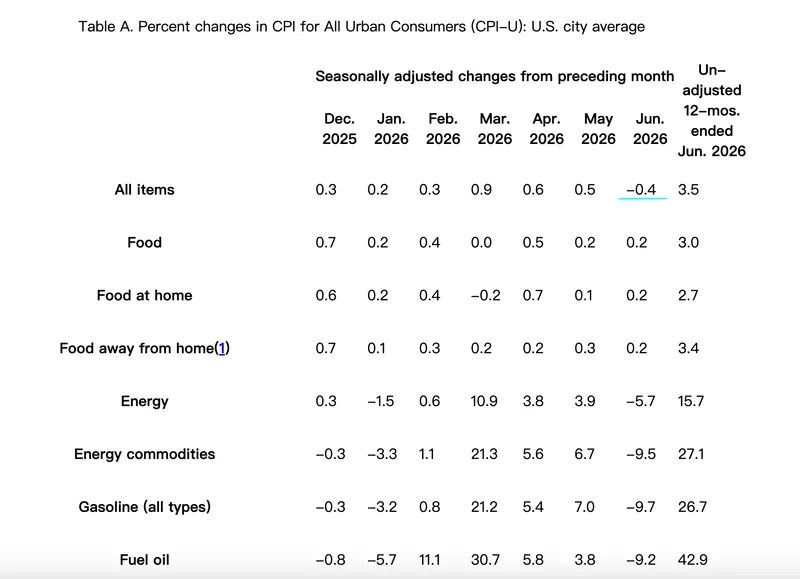
The real threat underneath. Deteriorating US-Iran relations sent Brent crude up nearly 10% in a single session, clouding the forward inflation outlook. Meanwhile, rising financial services prices and software weightings mean core PCE is improving far more slowly. Core PPI year-over-year growth is actually expected to accelerate from 4.9% to 5.2%.
Earnings season: can AI outrun capital costs?
JPMorgan, Goldman Sachs, Bank of America, Wells Fargo, and Citigroup all report before Tuesday's open, kicking off Q2 earnings season. Consensus expects S&P 500 Q2 earnings growth of 22% year-over-year, with nearly half of that driven by AI infrastructure names.
Goldman warns that a Fed restart on rate hikes would put US equities under three simultaneous pressures:
Growth expectations compress. Tighter monetary policy directly cools the macro growth outlook.
AI enthusiasm meets expensive capital. AI infrastructure now accounts for 42% of S&P 500 total market cap. Hyperscaler net debt reached $239 billion in Q1 2026 – up 190% year-over-year. If rates stay high or climb further, financing costs will hit these capital-hungry businesses directly.
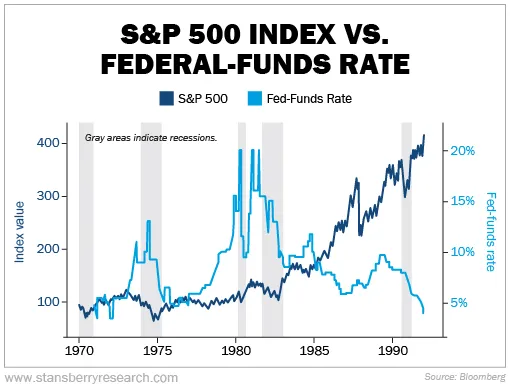
History rhymes at high valuations. From 1929 to 1972, 1987, and 1999, a Fed restarting hikes near a bull market peak has repeatedly signaled a top.
The sword overhead
Goldman still holds an 8,600 year-end target for the S&P 500 – roughly 14% above the current 7,544. But that forecast rests on one critical assumption: no material tightening in the macro policy environment. This week's CPI data, geopolitical oil moves, and Warsh's congressional testimony are stress-testing that assumption in the most direct way possible.
Source: The Wall Street Journal