US earnings week: who delivers growth?
Track hot stocks with the "Next Earnings" token list
This week (July 28–31, 2026) is one of the most important earnings stretches of the year.
Alongside the Fed's rate decision, global leaders including Visa, Microsoft, Meta, Apple, Amazon, Mastercard, Exxon Mobil, Coca-Cola, AbbVie, and SK Hynix all report Q2 results. The market is no longer asking only whether earnings beat. It wants to know whether AI investment is starting to turn into profit, whether consumer spending is holding up, and what companies are guiding for the second half. Alphabet and Intel last week made the shift clear: beating estimates is no longer enough to move a stock, and the market is reassessing the balance between capex and free cash flow.
Visa (V)
Not selling payments so much as selling global consumption.
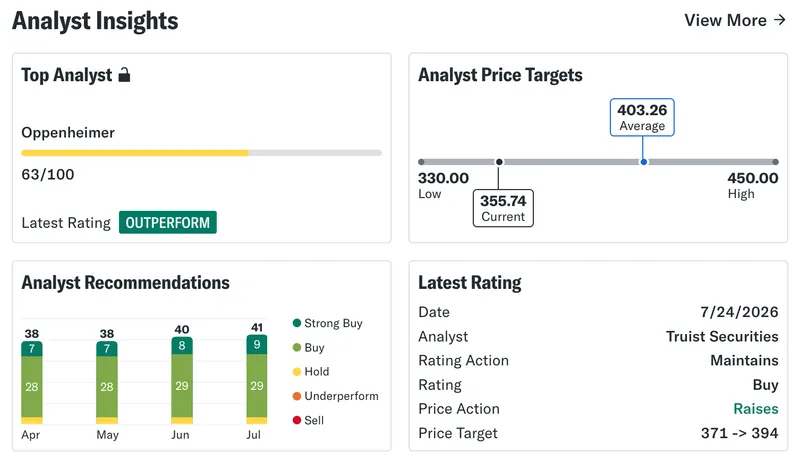
Earnings date: July 28, after close
Outlook: Positive
Consensus EPS: $3.23. Beat 8 quarters straight, averaging about 3%.
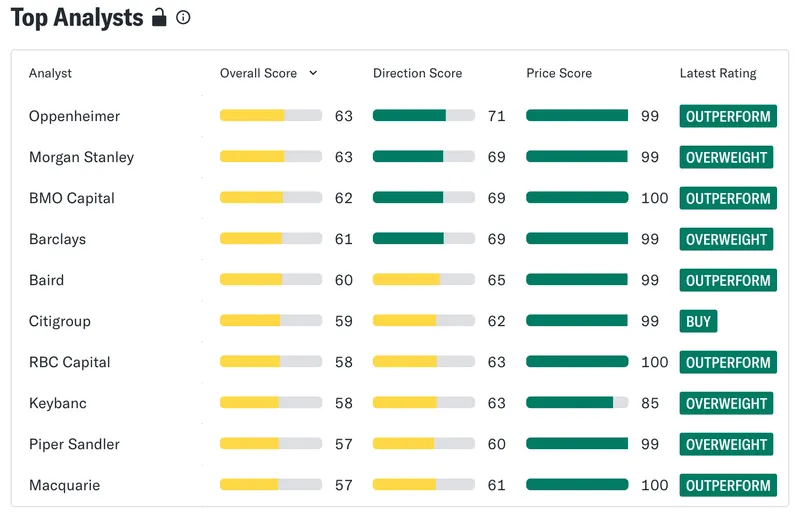
Analyst view: Goldman Sachs and Morgan Stanley both maintain Buy/Overweight ratings. Even with slower global macro growth, resilient high-end consumers and a recovery in high-margin cross-border volume from international travel keep underpinning earnings. Value-added services are also accelerating into a second growth curve.
Key focus: Whether cross-border volume growth stays double-digit; gross dollar volume (GDV) trends across North America and Europe; and management's latest guidance on second-half consumer confidence and macro spending.
Coca-Cola (KO)
What really drives the value here isn't soda – it's the world's strongest consumer brand.
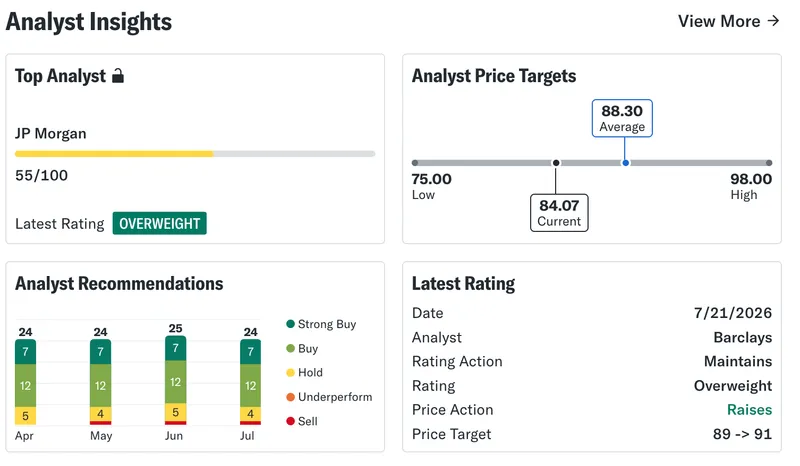
Earnings date: July 28, before open
Outlook: Positive
Consensus EPS: $0.93. Beat 8 quarters straight, averaging 4.3%.
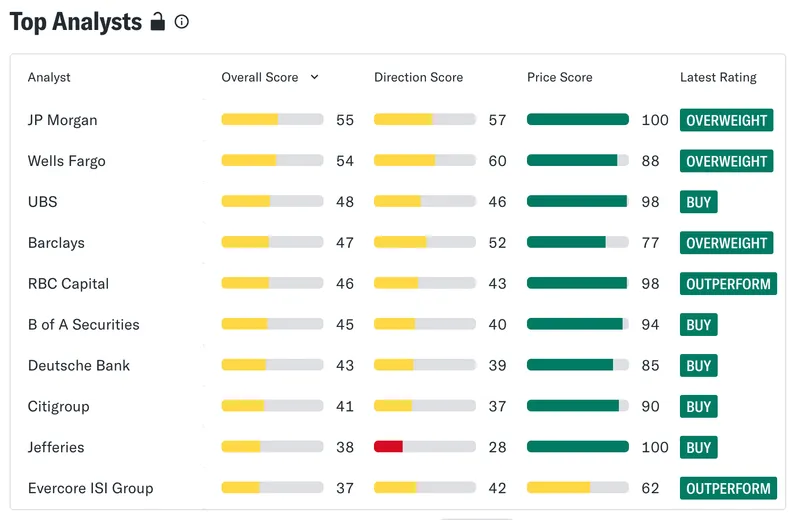
Analyst view: Bank of America and JPMorgan stay bullish. BofA highlights how a flexible product mix (zero-sugar lines, ready-to-drink) and precise regional pricing have absorbed input and logistics cost pressure, keeping free cash flow generation among the best in consumer staples.
Key focus: The split between price/mix and actual volume in organic revenue growth; whether emerging-market volume (Latin America, Asia-Pacific) can offset flatter developed markets; and whether full-year EPS and free cash flow guidance is raised.
Microsoft (MSFT)
No longer a software company – the world's largest AI infrastructure company.
Earnings date: July 29, after close
Outlook: Positive
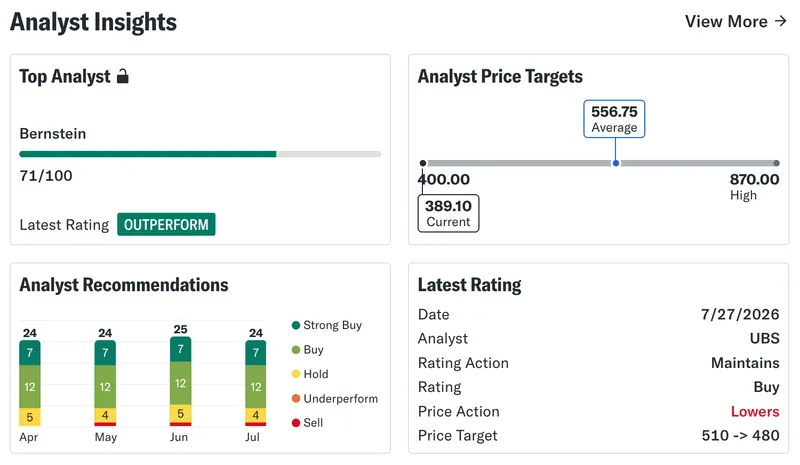
Consensus EPS: $4.24. Beat 7 quarters straight, averaging 7%.
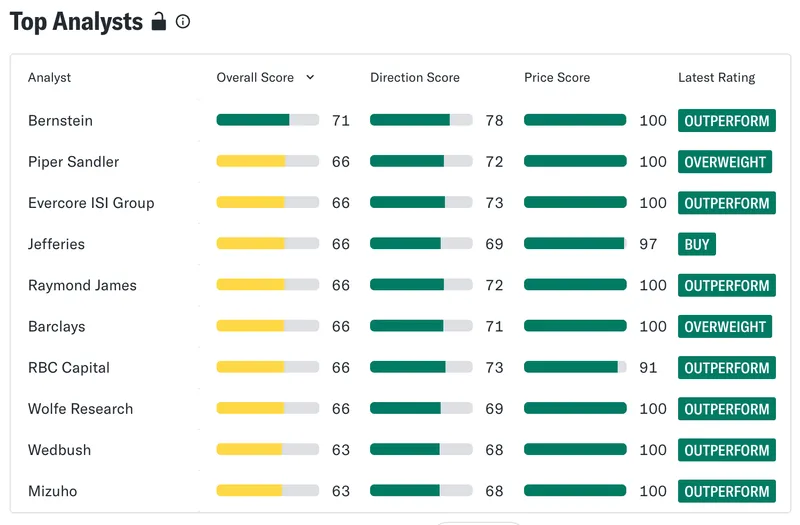
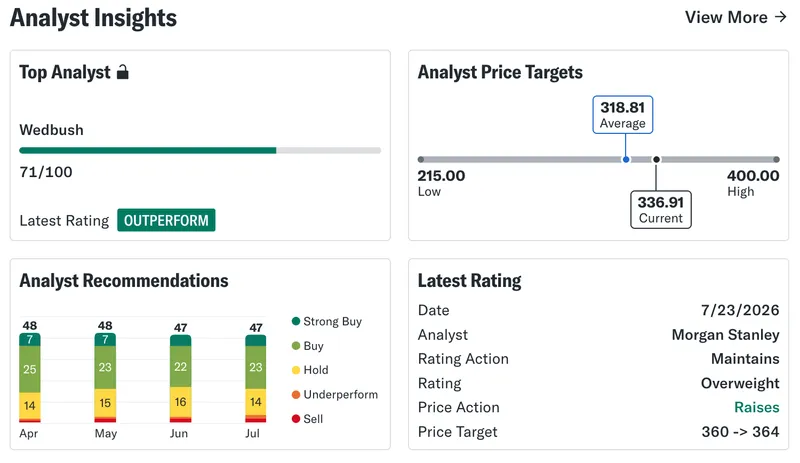
Analyst view: Wedbush and Barclays reiterate Outperform/Buy. Wedbush's Dan Ives sees Microsoft entering an AI monetization surge, with M365 Copilot enterprise penetration running ahead of expectations and tight Azure compute capacity proving strong demand. Morgan Stanley stays Overweight; Goldman sees Azure growth and AI commercialization as the key valuation variables. After Alphabet Cloud's big beat, the market especially wants to see whether Azure can deliver even stronger growth.
Key focus: Azure revenue growth (especially the points contributed directly by AI, previously around 7%); capex scale and the ROI on data center and Nvidia/AMD chip spending; and overall commercial cloud gross margin.
Meta (META)
An ad platform that has become an AI ad machine.
Earnings date: July 29, after close
Outlook: Positive
Consensus EPS: $7.19. Q1 beat by 55.8%.
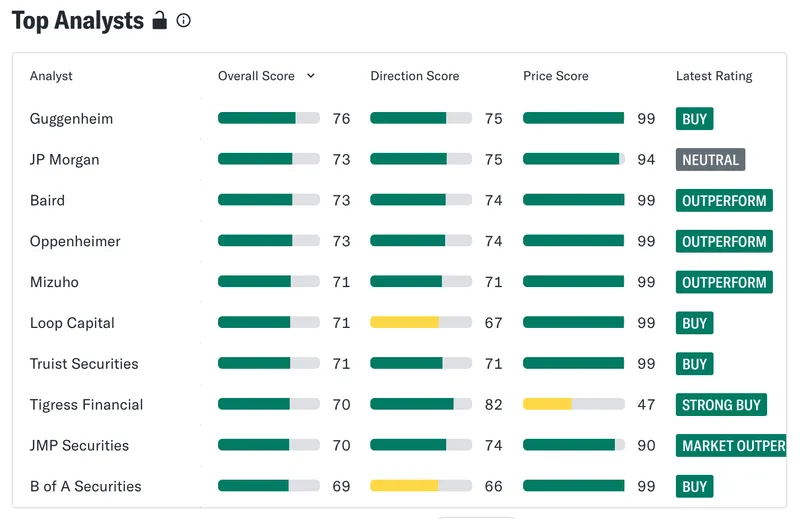
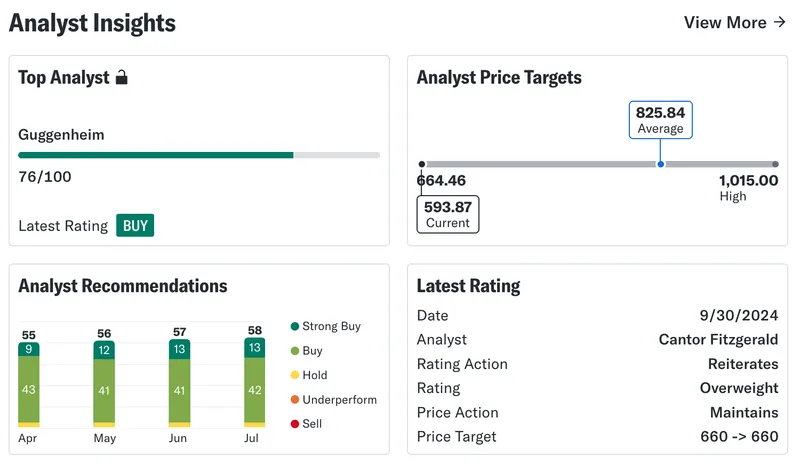
Analyst view: Citi and UBS keep active Buy ratings. Citi credits Meta's deep integration of AI into the Advantage+ ad system for sharply improving advertiser ROI, letting it take digital-ad share well beyond peers. The market is also watching indirect monetization from the open-source Llama ecosystem with cloud partners.
Key focus: Combined growth in ad impressions and price per ad; whether the 2026 full-year capex ceiling is raised again for generative AI infrastructure; and how well Reality Labs losses are contained.
SK Hynix (SKHY)
The crazier AI compute gets, the more valuable HBM becomes.
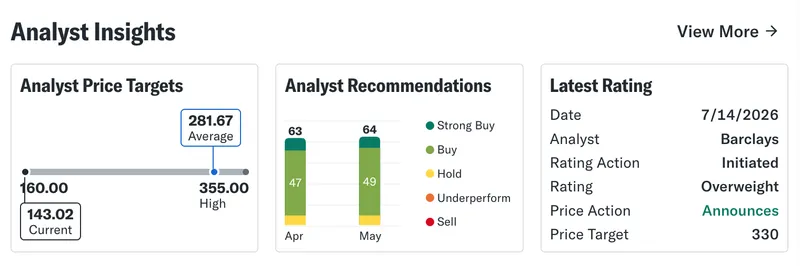
Earnings date: July 29 (Korea)
Outlook: Positive
Analyst view: Nomura and Citi assign high-conviction Buy ratings. SK hynix's clear first-mover lead and locked-in capacity in HBM3E and next-gen HBM4 have earned it a steep premium through the DRAM cycle, and a 50.2% Q1 EPS beat shows just how much earnings leverage it has.
Key focus: HBM's share of total DRAM revenue and profit; capex deployment for HBM capacity expansion and advanced packaging (TSV); and contract-price trends for conventional DDR5, LPDDR5, and NAND flash.
Apple (AAPL)
Its biggest growth may not come from iPhone – it comes from the AI ecosystem.
Earnings date: July 30, after close
Outlook: Positive
Consensus EPS: $1.89. Beat 8 quarters straight, averaging 4.1%.
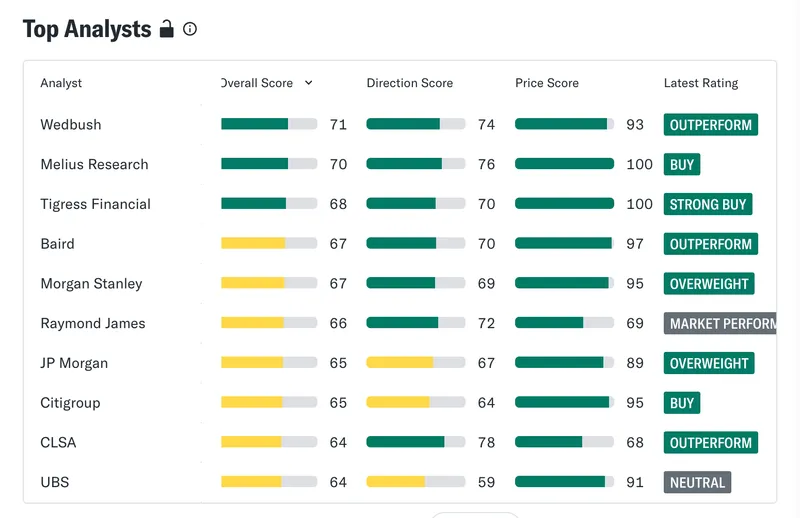
Analyst view: Morgan Stanley and Bernstein stay bullish. Morgan Stanley believes the rollout of Apple Intelligence will trigger the massive upgrade supercycle built up over recent years, shifting the market's focus from near-term iPhone units to preorder prospects for the fall AI lineup.
Key focus: Greater China revenue, signs of stabilization, and the competitive landscape there; Services revenue growth (App Store, subscriptions, and other high-margin lines); and management's guidance on fall device build volumes and the global rollout schedule for Apple Intelligence.
Amazon (AMZN)
The real profit engine isn't e-commerce anymore – it's AWS.
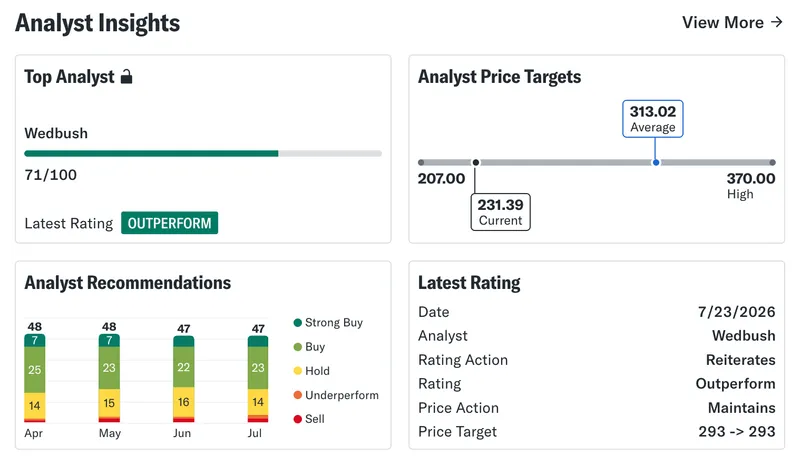
Earnings date: July 30, after close
Outlook: Positive
Consensus EPS: $1.81. Q1 beat by roughly 70%.
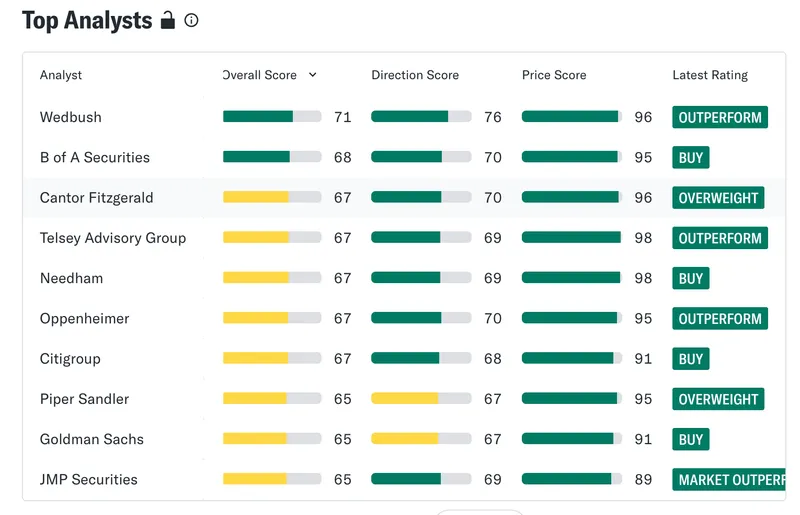
Analyst view: JPMorgan and Goldman Sachs name it a top pick among big tech. Analysts see the optimization phase of enterprise cloud migration largely complete, with generative AI demand reaccelerating AWS. Regionalized fulfillment networks have also cut logistics costs, sharply improving North American retail margins.
Key focus: Whether AWS revenue growth can reaccelerate above the 18–20% range; the margin improvement in North American and international retail; and the growth curve of the high-margin advertising services business.
Mastercard (MA)
With Visa, the most direct thermometer of global consumption.
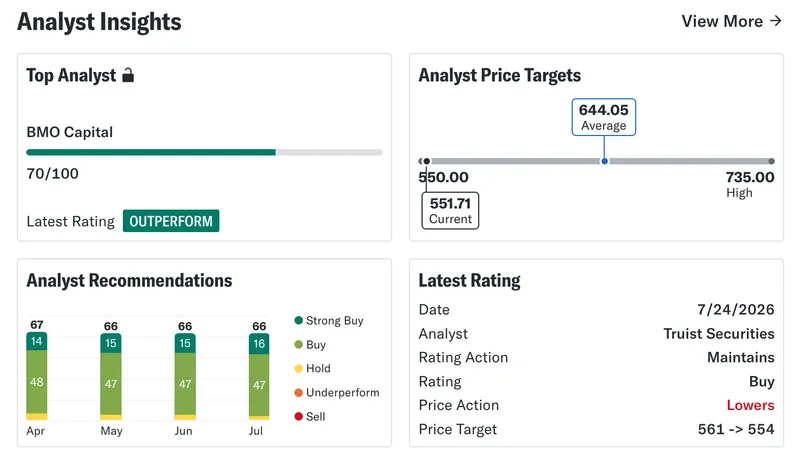
Earnings date: July 30, after close
Outlook: Positive
Consensus EPS: $4.77. Beat 8 quarters straight, averaging 4.3%.
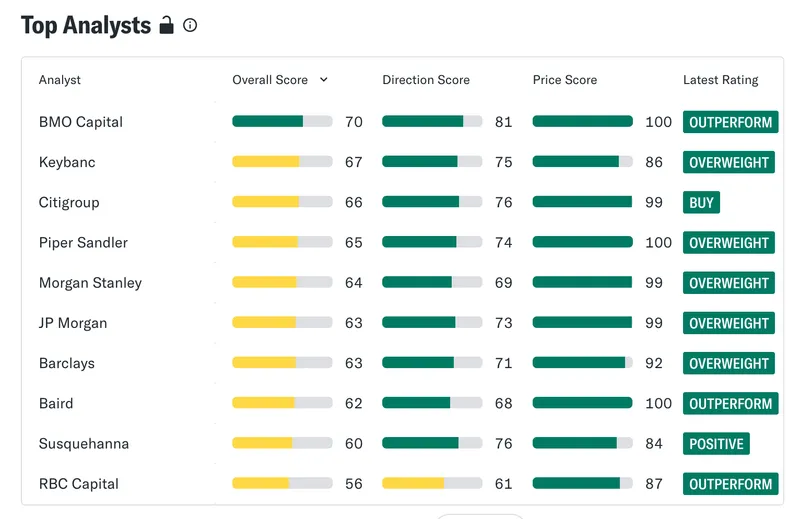
Analyst view: Wells Fargo and Bernstein give active Buy ratings. Analysts see Mastercard's expansion in international markets and B2B payments providing a solid earnings floor, with high operating leverage letting it easily absorb inflation-driven cost swings.
Key focus: Cross-border volume growth; the contribution of value-added services and security solutions to total revenue; and OpEx control and operating margin.
Three themes for the week
1. AI investment and profit-making
Microsoft, Meta, Amazon, and Apple results matter, but the market cares more about whether management can show that hundreds of billions in AI spending is converting into cloud revenue, ad efficiency, and enterprise software monetization. After Alphabet's report, tolerance for AI capex dropped noticeably – "beat but the stock falls" is the new risk.
2. Global consumption resilience
Visa, Mastercard, and Coca-Cola will each offer fresh signals on the health of global spending – from payments, cross-border consumption, and everyday purchases respectively.
3. Macro and corporate in sync
This week's Fed rate decision, US GDP, and PCE data layered on top of dense earnings will together shape the market's expectations for second-half growth, inflation, and corporate profits. Expect one of the highest-volatility earnings weeks of the year.
Want to stay on top of earnings season? Follow the "Next Earnings" token list in Bitget Wallet to track hot stocks in one tap.