Arc mainnet memecoin guide
Bridge in and find the next memecoin gem, step by step
Arc mainnet is about to go live. If this is your first time with Arc, it's easy to feel a little lost: how do you bridge USDC in? Where do you find memecoins? And how do you trade a freshly launched token?
This guide walks you through the whole flow from scratch, from preparing gas to finding new tokens and completing your first Arc trade.
What is Arc?
Arc is an EVM-compatible Layer 1 built by Circle, focused on stablecoin payments, foreign exchange, and settlement. One of its biggest features is using USDC as native gas. That means trading on Arc doesn't require holding a separate token like ETH or BNB to pay fees, the way you would on Ethereum or BNB Chain.
For beginners, it's simple: get your USDC ready, and you can trade any token on Arc.
Add Arc Mainnet
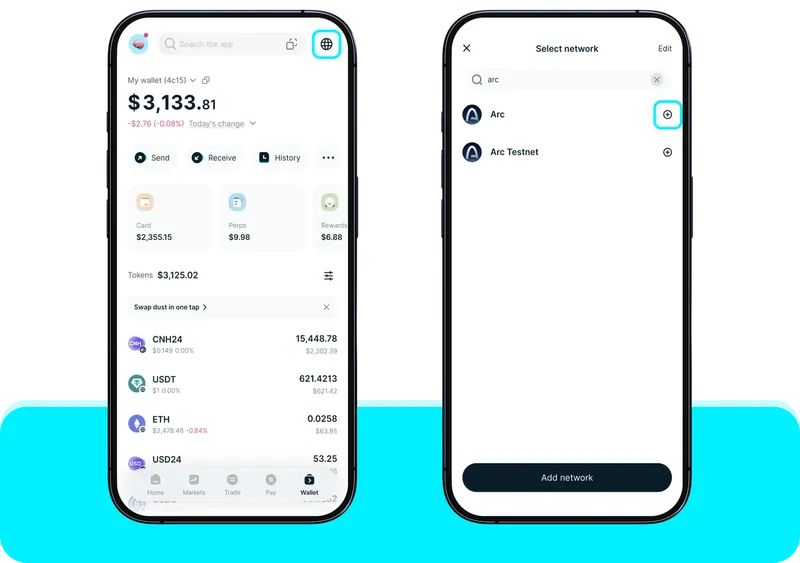
Add Arc to your wallet
Add Arc to Bitget Wallet with one tap. Newly created wallets will add the network automatically.
Bridge funds in – with 10 free transfers and swaps on the same chain a day
For a better onchain trading experience, Bitget Wallet users get 10 free transfers and swaps on the same chain a day.
If your USDC is already on Arc, you can start trading right away. If it is on Ethereum, BNB Chain, Solana, or another network, you will first need to transfer it to Arc.
The simplest way for beginners is Bitget Wallet's built-in bridge. It integrates Circle's Cross-Chain Transfer Protocol (CCTP) and supports multi-chain, multi-asset bridging, so you don't have to research each bridge yourself and can move USDC to Arc more easily.
Bitget Wallet currently supports cross-chain routes into Arc from more major networks than any other wallet, with transfers completing in as little as 3 seconds.
On the Trade tab, choose the network where you hold USDC → select Arc as the destination network → enter the amount → confirm the transaction.
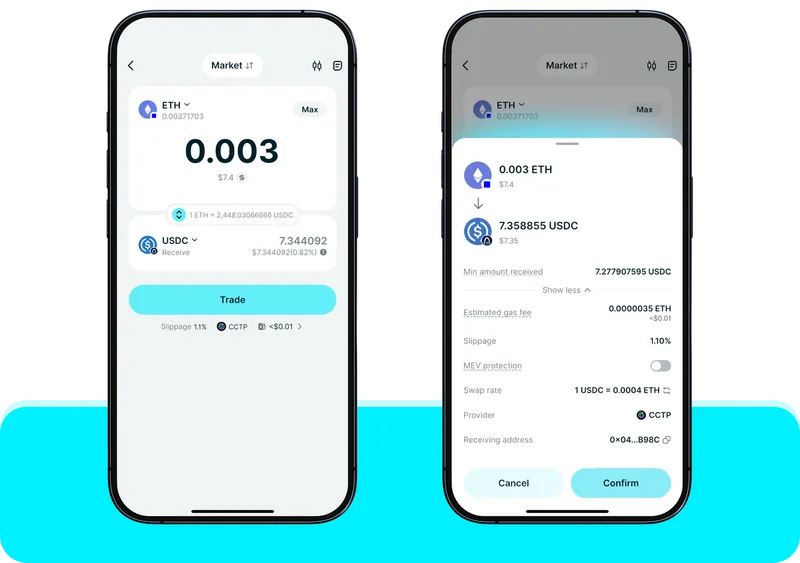
If it's your first time bridging, start small. Move 1–10 USDC first, confirm it arrived on Arc and trades normally, then scale up. In the early days of a new mainnet, bridging liquidity, routing, and network load can all shift, so a small test transfer is the safest approach.
Finding hot tokens on Arc
We add actively traded Arc tokens to the Hot tokens list as soon as possible.
Compared with fresh launches, these tokens usually have some market cap and liquidity and have passed basic contract risk screening, making them an easier starting point for newcomers.
Open the Markets page and tap the Arc banner to view the Hot tokens list. Pick any token to check its market data and trade.
Finding tokens on Arc
Every new ecosystem tends to see a fast wave of new memes, community tokens, and projects. Arc already has a batch of launchpads and trading entries worth watching, including ACTFUN, Minara.fun, and DYOR Fun.
ACTFUN: An Arc-native launch and trading hub
ACTFUN positions itself as an Arc-native launchpad, with token launch and trading features. Even in the early mainnet phase, you can already see onchain trading and liquidity data for different tokens.
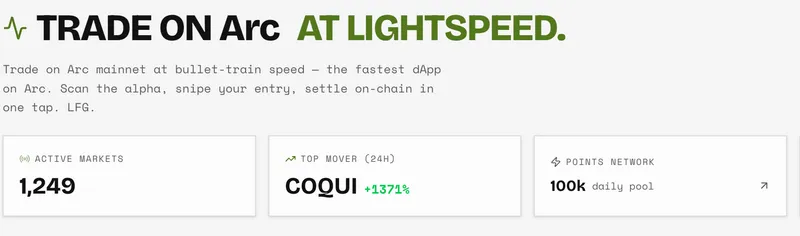
For anyone researching Arc's native ecosystem, ACTFUN is a key place to watch. Projects often cluster around native launchpads when a new chain opens. You can track their token prices in Bitget Wallet, then check the contract, liquidity, and trading data before deciding whether they're worth a closer look.
Minara: An Arc launchpad to watch
Minara is another launchpad frequently mentioned in Arc's early ecosystem. It centers on token creation and trading, uses USDC liquidity, and ran product tests during Arc's testnet phase, making it worth watching after mainnet launches.
DYOR Fun: Launching directly into V3 liquidity
DYOR Fun is a multi-chain launchpad now supporting several networks, including Arc. Its notable trait is that tokens launch directly into a V3 liquidity pool rather than going through a separate bonding curve and migrating liquidity later.
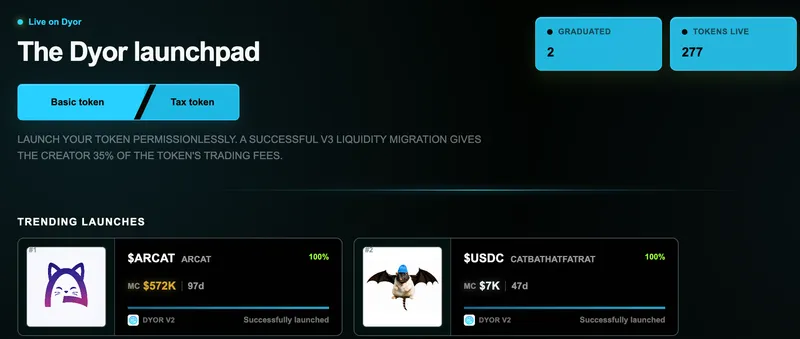
On Arc, DYOR uses USDC as the trading pair. Since Arc uses USDC for gas too, the whole process from funding to buying revolves around USDC.
Once mainnet is live, if you see a project launch, focus on its liquidity, trading volume, and holder distribution before deciding whether to take part, rather than rushing in simply because it has just launched.
How to find trading opportunities and check liquidity
For most people, the easier path is to view the Arc ecosystem directly in Bitget Wallet. We're continuously integrating Arc's main trading and launch entries, with token recognition, prices, and candlestick charts built in.
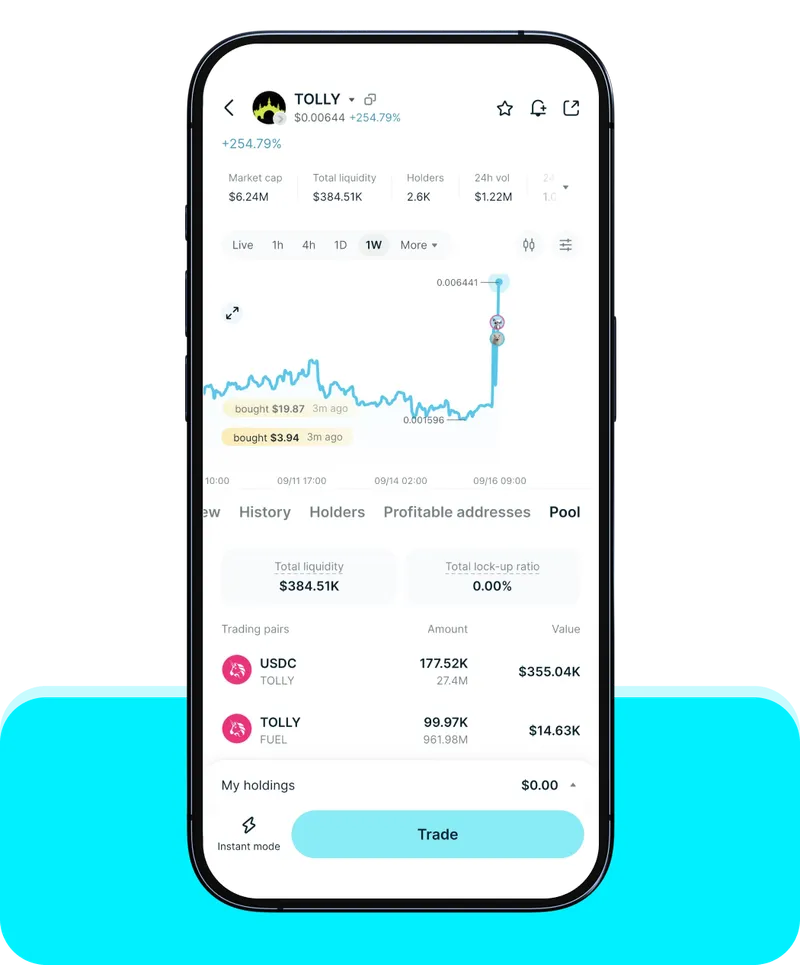
The flow is simple: find a token in your wallet → check its price action and liquidity → verify the contract → trade.
If you're an experienced meme trader, use data such as trading volume, holder addresses, KOL calls, smart-money positions, 24-hour volume, and pool depth to assess a token's trading activity and liquidity.
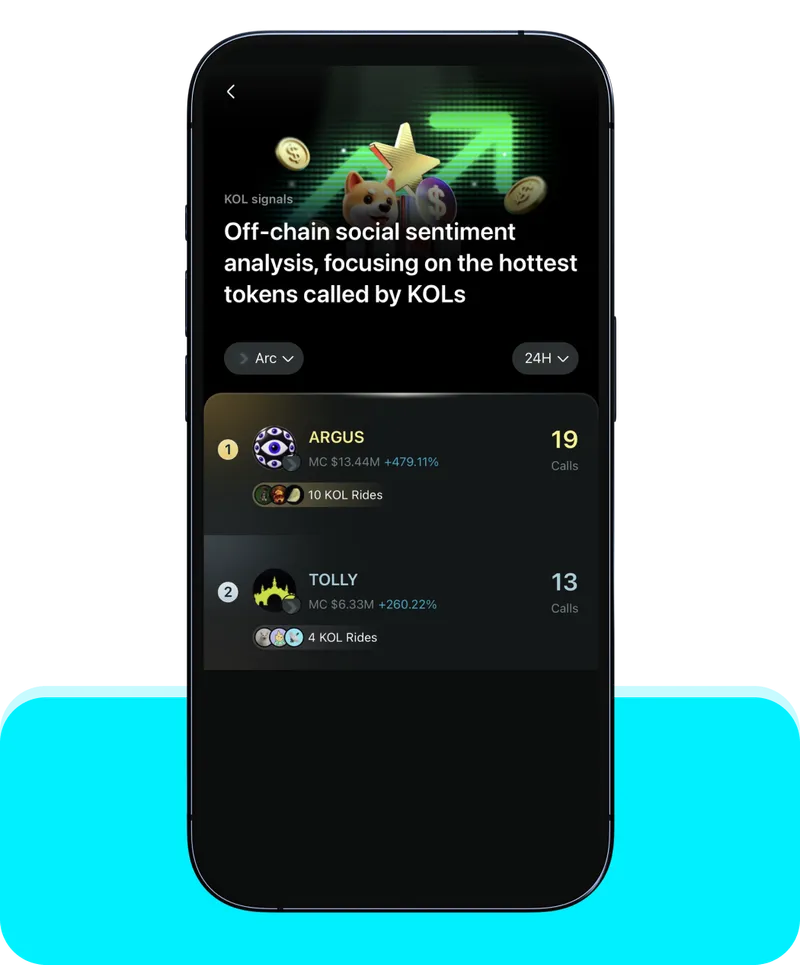
If you're new to memecoins, the KOL calls token list offers a simpler starting point. See which tokens experienced traders are calling out.
Making your first Arc trade
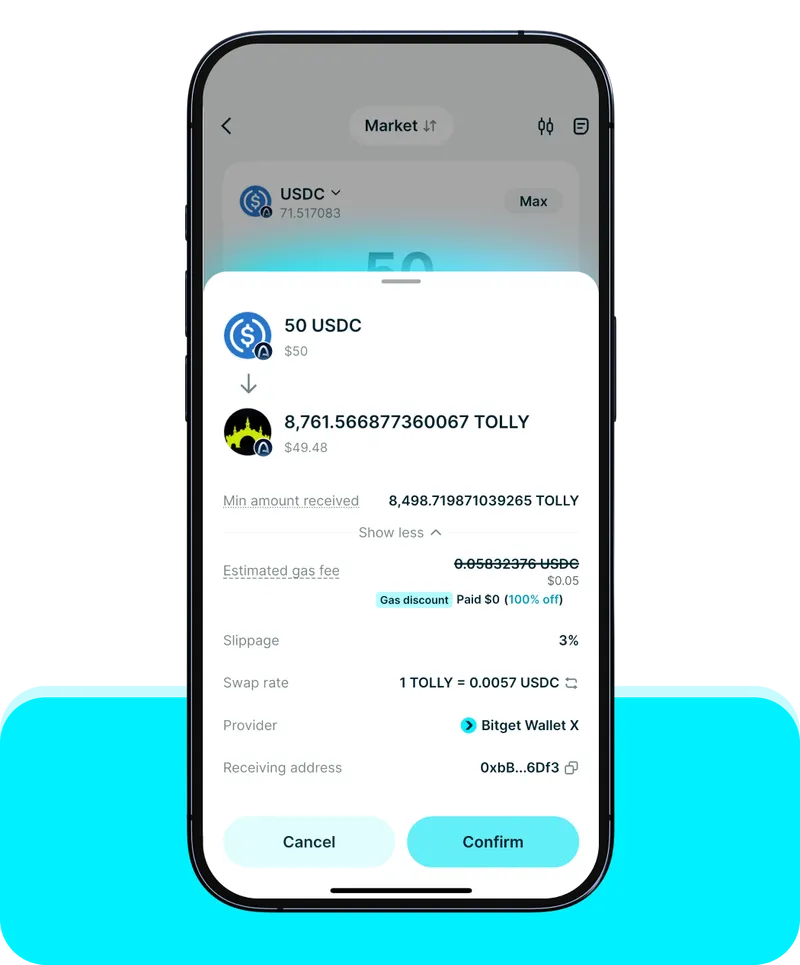
Say you've bridged USDC to Arc and spotted a token you like. Open the Markets page in Bitget Wallet, find the token, go to its trading page, and enter the amount of USDC you want to spend.
Before confirming, check:
Token name and contract address
Available liquidity
Price impact and slippage
Estimated amount received
For a freshly launched token, pay extra attention to liquidity. New token prices can swing sharply in a short time, and when liquidity is thin, even a modest-looking trade can move the price noticeably.
Once everything checks out, submit the trade and wait for onchain confirmation.
Because Arc uses USDC as native gas, you don't need to prepare ETH, BNB, or another gas token, making the process simpler.
Arc's public mainnet is almost here. Get your USDC, bridge, and trading tools ready now so you can make your first Arc trade as soon as the network goes live.
More Arc ecosystem reward campaigns are coming soon. Keep an eye on Bitget Wallet for new trading perks, events, and rewards.
Security reminder: New chains can be highly volatile and risky in their early days. This article only explains the process and does not constitute investment advice. Before trading any new token, verify its contract address, liquidity, and trading risks.