


Planck (PLANCK) Listing Guide: $PLANCK Launch Date! Inside the AI x DePIN Network Revolutionizing Decentralized Compute

Planck (PLANCK) listing is fast approaching! Did you know that over 70% of newly listed tokens experience significant price swings within the first 24 hours? With $PLANCK gearing up for its launch on Bitget (Innovation Zone) on 13 November 2025 (UTC), traders are watching closely for potential market movements.
Backed by a strong presale (private raise of US$400K), a rapidly expanding community of over 100,000 users and wallets, and key strategic partnerships with major infrastructure players, Planck (PLANCK) has already attracted significant interest. This article breaks down essential details of the listing, explains how to trade it, and explores why this launch could present a compelling opportunity for investors.
With Bitget Wallet offering secure stablecoin storage, hot memecoin trading, and a seamless cross-chain experience, users can easily manage, swap, and explore PLANCK and other digital assets with confidence.
Planck (PLANCK) Listing: Key Details and Trading Schedule
1. Key Listing Information
Here are the important details about the Planck (PLANCK) listing:
- Exchange: Bitget
- Trading Pair: PLANCK/USDT
- Deposit Available: November 13, 2025 – 14:00 UTC
- Trading Start: November 13, 2025 – 14:00 UTC
- Withdrawal Available: November 14, 2025 – 14:00 UTC
Don’t miss your chance to start trading Planck (PLANCK) on Bitget and be part of this groundbreaking journey.
- Please refer to the official announcement for the most accurate schedule.
Planck (PLANCK) Price Prediction: After Listing
The listing of Planck (PLANCK) on Bitget is anticipated to bring heightened trading activity and increased visibility. Market analysts suggest that PLANCK could reach a price range of $0.12 to $0.18 shortly after listing, driven by its AI-native infrastructure narrative, growing DePIN demand, and strong community momentum. As always, market participants should conduct thorough research and stay informed about broader market trends.
| Time Frame | Predicted Price Range | Key Drivers |
| Short-term (1–3 months) | $0.12 – $0.20 | Early listing volatility, exchange volume, DePIN narrative momentum |
| Medium-term (3–6 months) | $0.18 – $0.28 | Network growth, GPU rental revenue expansion, developer onboarding |
| Long-term (1 year or more) | $0.30 – $0.50 | AI-native Layer-0 adoption, ecosystem scaling, broader AI/DePIN market growth |
Source: CoinGecko, CoinMarketCap
Note: The price prediction is sourced from third-party media at the time of writing and is for reference only. It does not represent the official stance of Planck (PLANCK) and Bitget Wallet. Please conduct your own research and refer to official market data before making any investment decisions.
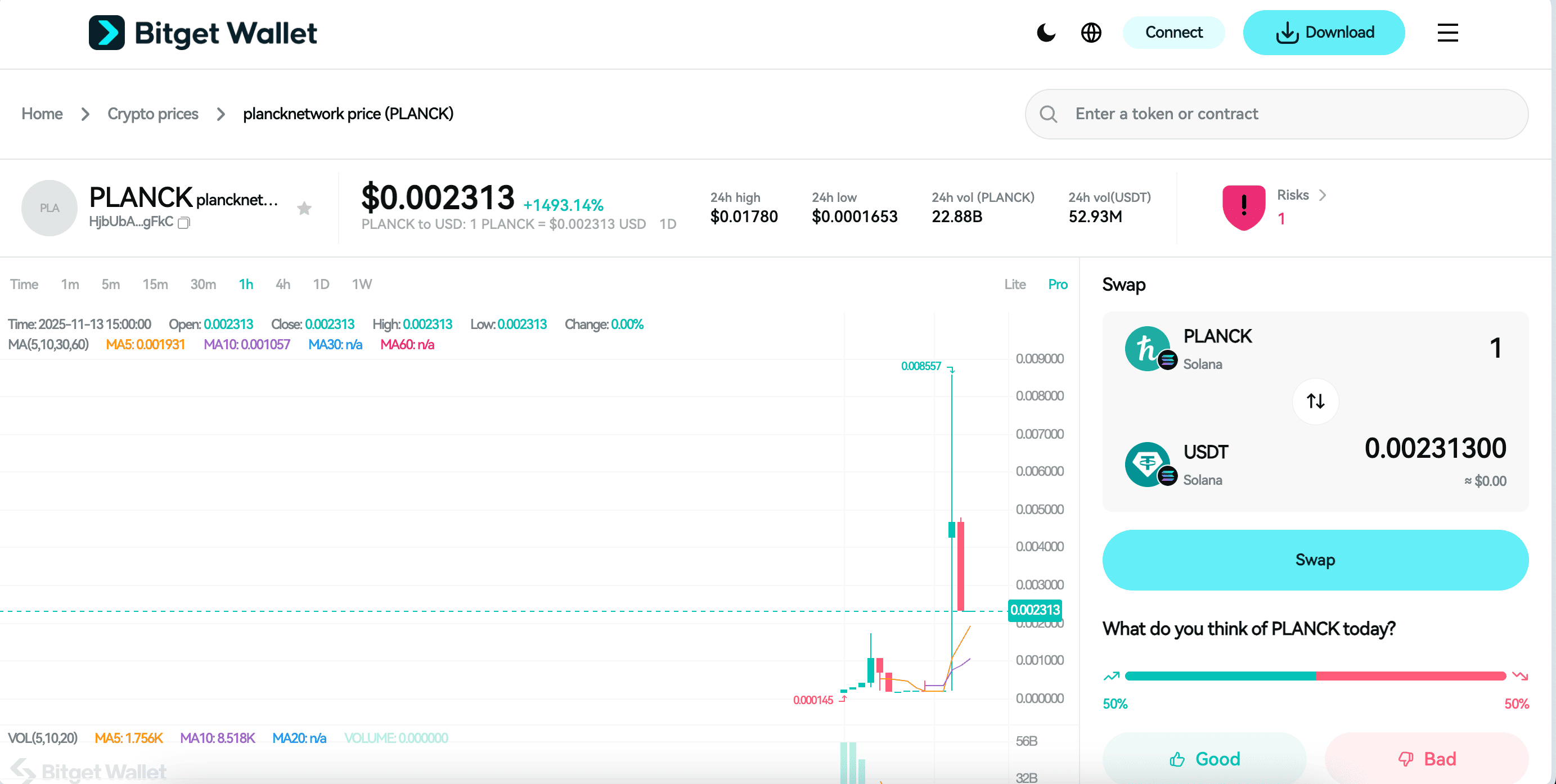
Source: Bitget Wallet
What Is Planck (PLANCK)?
Planck (PLANCK) is an AI-native Layer-0 and GPU-native Layer-1 infrastructure project designed to power decentralized compute, AI workloads, and DePIN networks. It combines high-performance GPU infrastructure, modular blockchain architecture, and token-incentivized compute markets to help developers deploy and scale AI-driven applications. The project aims to make AI computation permissionless, decentralized, and accessible, bridging the gap between traditional cloud compute and Web3-native ecosystems.
Key Features
-
AI-Native Layer-0 Architecture:
Enables cross-network communication and seamless connectivity for AI and DePIN protocols.
-
GPU-Native Layer-1 Network:
Provides high-performance decentralized compute via GPU node operators who earn PLANCK for supporting AI workloads.
-
Developer-Ready Ecosystem:
Offers APIs, SDKs, and compute modules designed to help AI, gaming, and infrastructure projects integrate GPU power easily.

Source: X
Planck (PLANCK) has recently gained strong attention ahead of its Bitget listing, supported by rising interest in AI-focused crypto infrastructure. The project’s decentralized GPU network and developer-friendly tools position it as one of the emerging players in the AI x DePIN sector, attracting both early adopters and institutional curiosity.
How Does Planck (PLANCK) Work?
The operation of Planck (PLANCK) is based on its upcoming AI-native Layer-0 architecture and GPU-powered Layer-1 network, which together create a decentralized infrastructure for AI computation and DePIN applications.
1. AI-Native Layer-0 Communication Framework
Planck’s Layer-0 enables seamless communication across multiple blockchains and compute networks, allowing AI applications to interact with smart contracts and external data sources. This unified layer makes multi-chain AI deployment more efficient and unlocks interoperability for developers building AI-driven decentralized applications.
2. GPU-Powered Layer-1 Compute Network
Planck’s Layer-1 chain is optimized for GPU computation, where node operators contribute GPU resources to run AI inference and compute-heavy tasks. These operators earn PLANCK tokens for providing verifiable compute power, forming a decentralized alternative to centralized cloud providers and supporting scalable AI workloads.
3. Token-Incentivized AI & DePIN Marketplace
The PLANCK token fuels an open compute marketplace where developers pay for GPU resources and providers are rewarded for fulfilling tasks. This token-driven economy creates sustainable demand and supply for AI computation, enabling continuous ecosystem growth and making high-performance compute accessible in a decentralized way.
By integrating AI-focused infrastructure, decentralized GPU compute, and growing partnerships across the AI and DePIN ecosystem, Planck (PLANCK) aims to become a sustainable and influential infrastructure project within the emerging decentralized AI economy.
Planck (PLANCK)'s Team, Vision, and Partnerships
The Team
Planck Network is led by co-founders such as Diam Hamstra and Rohan Talwadia, each bringing experience in Web3, infrastructure and entrepreneur-led ventures. The team aims not only to create a new token but to establish Planck as a cultural and infrastructure-symbol representing the decentralised AI and compute-economy revolution.
The Vision
At its core, Planck Network envisions “the world’s first AI-native Layer-0 and GPU-native Layer-1 infrastructure stack” that enables sovereign AI chains, decentralized compute and DePIN applications. The project aspires to build a sustainable ecosystem that brings high-performance compute access out of centralized clouds and into the hands of developers, enterprises and communities across the AI/crypto frontier.
Partnerships
Planck Network has collaborated with a number of major organisations and ecosystem players to strengthen its infrastructure and market reach — including Microsoft, Google for Startups, Polkadot, and others listed as “trusted by pioneers and industry leaders”. These partnerships help expand Planck’s presence in sectors like enterprise AI, decentralized infrastructure and tokenized compute-economics.
Use Cases of Planck (PLANCK)
Planck (PLANCK) serves a variety of purposes, including:
- Payment for GPU Compute Resources – Developers and AI applications use PLANCK to pay for decentralized GPU power across Planck’s compute marketplace.
- Incentives for Node Operators – GPU providers and validators earn PLANCK for supplying compute power, securing the network, and running AI inference tasks.
- Utility Within AI & DePIN Ecosystem – PLANCK functions as the core utility token powering dApps, AI agents, and infrastructure tools built on the Planck Network.
These applications highlight the practical value of $PLANCK in the rapidly growing AI, DePIN, and decentralized compute infrastructure sectors.
Roadmap of Planck (PLANCK)
The roadmap for Planck (PLANCK) outlines a clear path for growth and innovation:
| Quarter | Roadmap |
| Q3 2025 | Launch of decentralized GPU marketplace (beta), onboarding of early node operators, and integration of AI inference modules for developers. |
| Q4 2025 | Release of Planck Layer-0 interoperability tools, expansion of multi-chain messaging for AI agents, and introduction of PLANCK staking incentives. |
| Q1 2026 | Full launch of GPU-native Layer-1 network, ecosystem grant program for AI/DePIN builders, and deployment of developer SDKs + APIs. |
| Q2 2026 | Expansion into enterprise-grade AI compute services, strategic partnerships with AI/DePIN platforms, and scaling of global GPU provider network. |
These milestones highlight the long-term potential of $PLANCK in the AI infrastructure, decentralized compute, and DePIN industries, positioning it as a foundational layer for future AI-driven Web3 applications.
How to Buy Planck (PLANCK) on Bitget Wallet?
Trading Planck (PLANCK) is easy on Bitget Wallet. Follow these simple steps to get started:
Step 1: Create an Account
If you don't have an account, download the Bitget Wallet app. Sign up by providing the necessary information and verifying your identity.
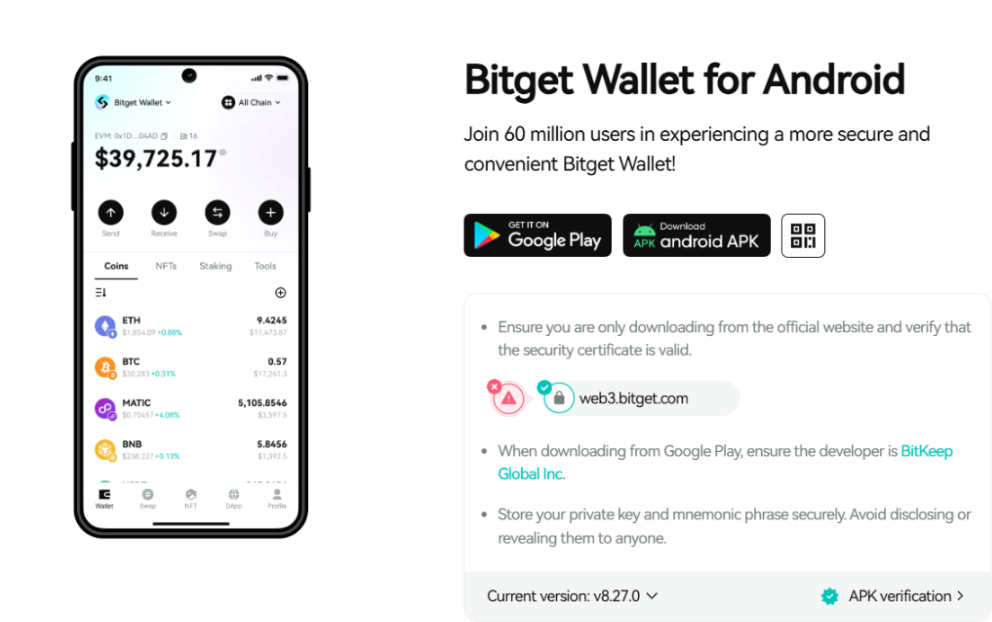
Step 2: Deposit Funds
Once your account is set up, you need to deposit funds. You can do this by:
- Transferring Cryptocurrency: Send crypto from another wallet.
- Buying Crypto: Use a credit or debit card to purchase crypto directly on Bitget Wallet, ensuring you have enough funds for trading Planck (PLANCK).
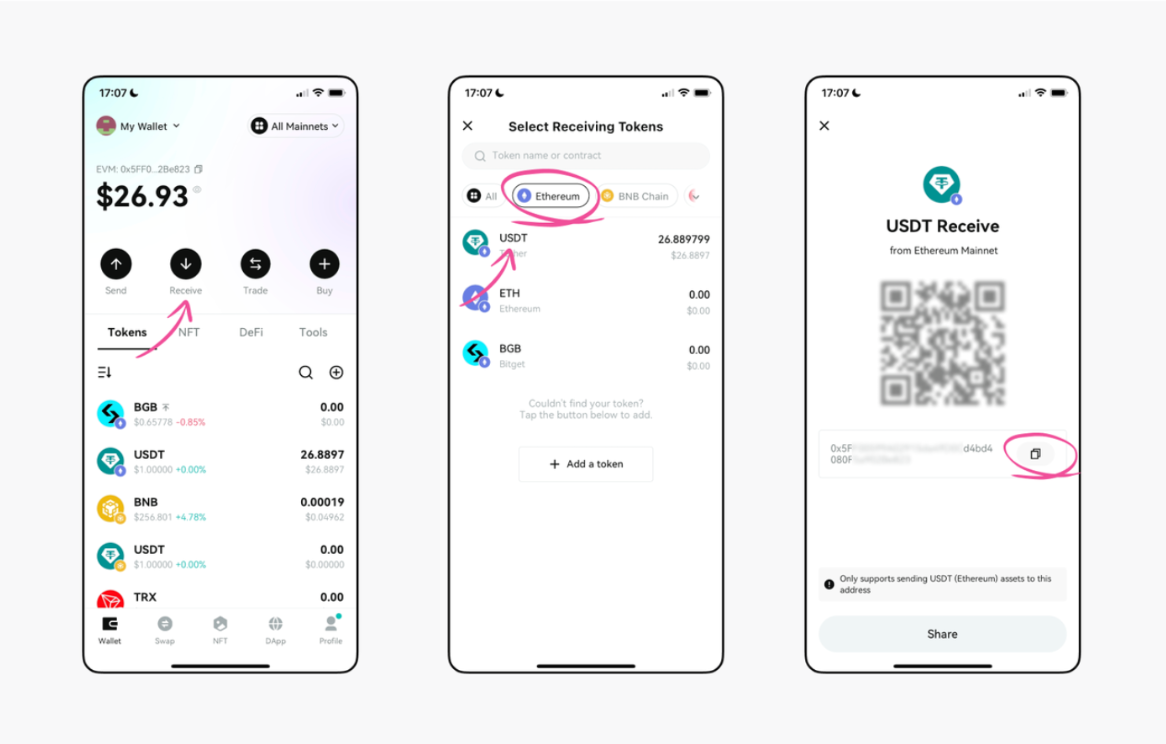
Step 3: Find Planck (PLANCK)
In the Bitget Wallet interface, navigate to the market section. Use the search bar to find Planck (PLANCK). Click on the token to view its trading page.
Since this token has not been listed yet, please refer to the final contract address provided by the project team after the token is officially listed.
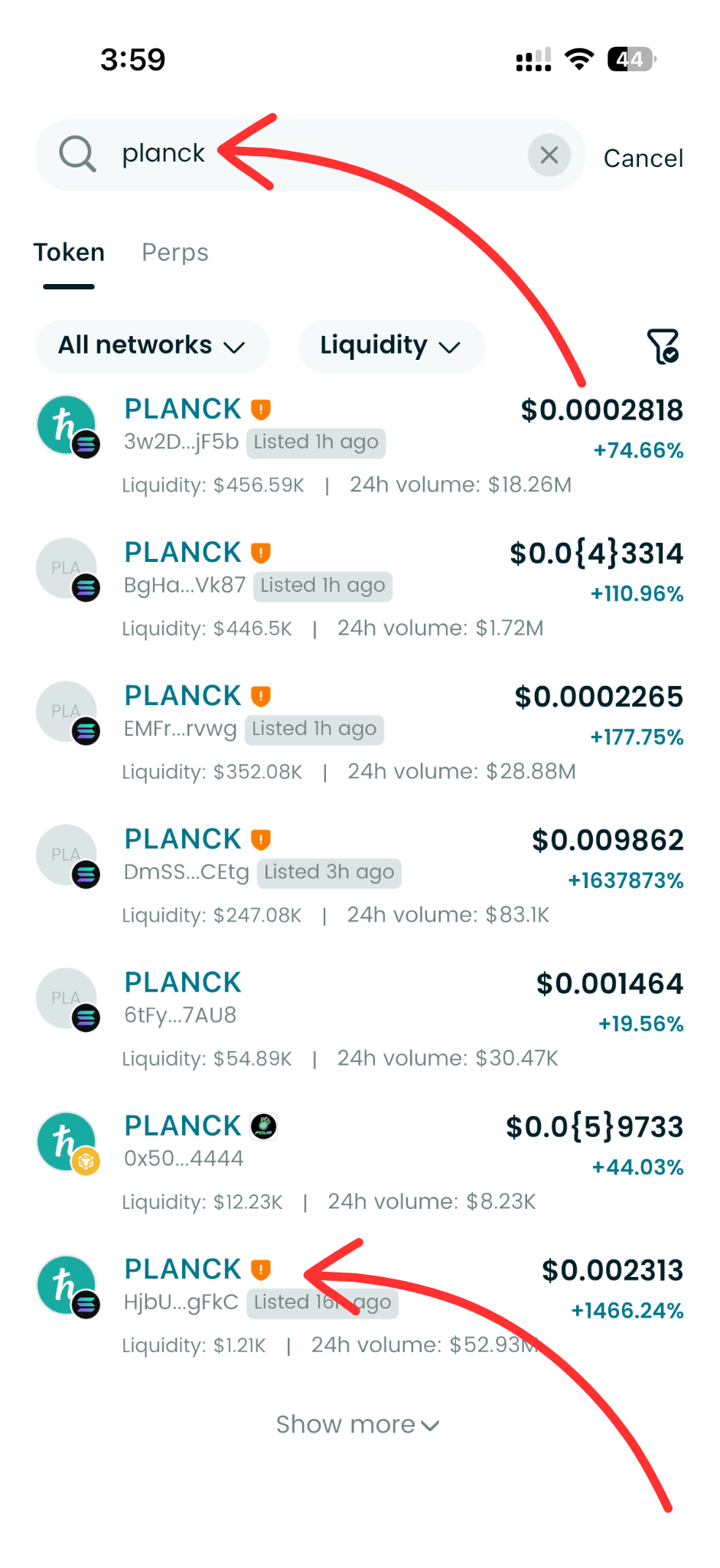
Step 4: Choose Your Trading Pair
Select the trading pair you wish to use, such as PLANCK/USDT. This will allow you to trade Planck (PLANCK) against USDT or another cryptocurrency.
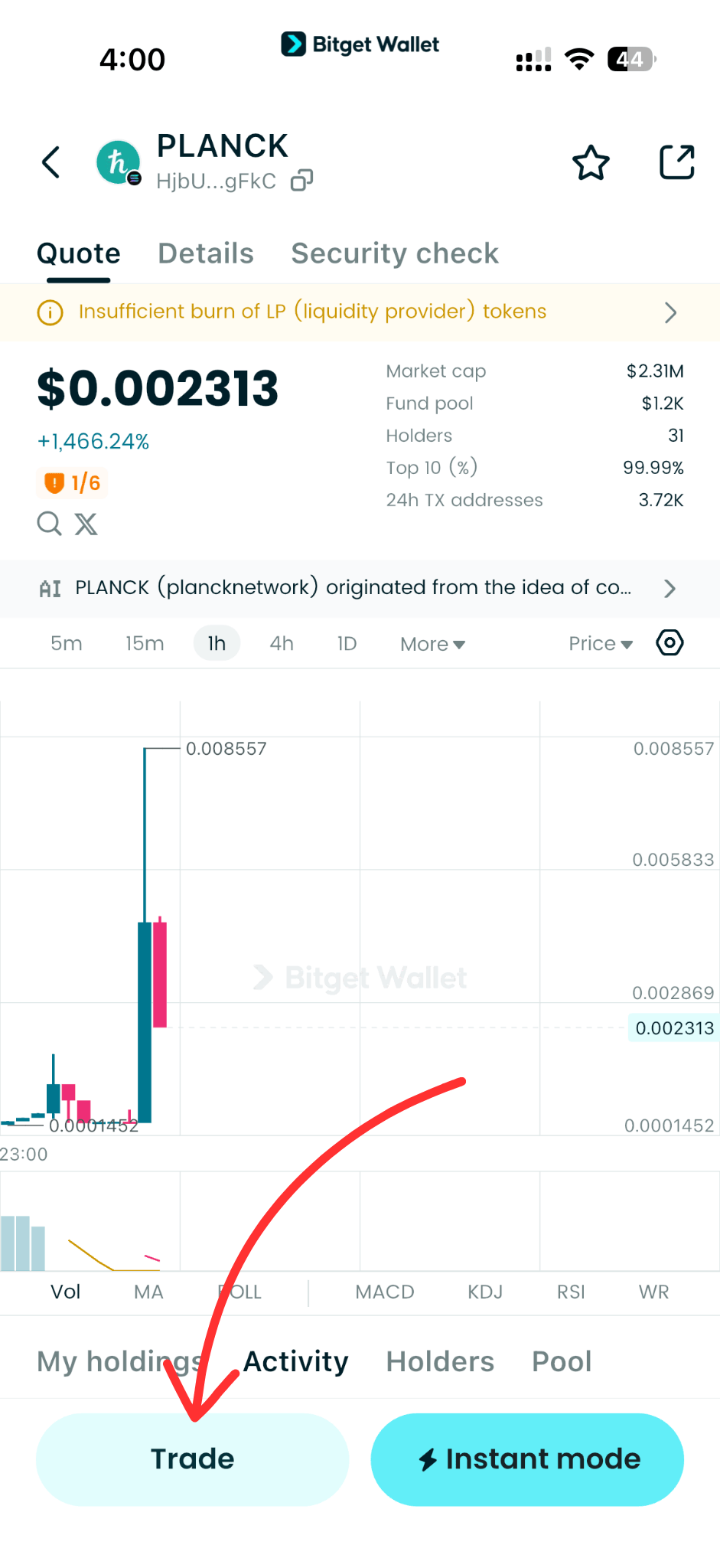
Step 5: Place Your Order
Decide whether you want to place a market order (buy/sell at the current market price) or a limit order (set your own price). Enter the amount of Planck (PLANCK) you wish to buy or sell, then confirm your order.
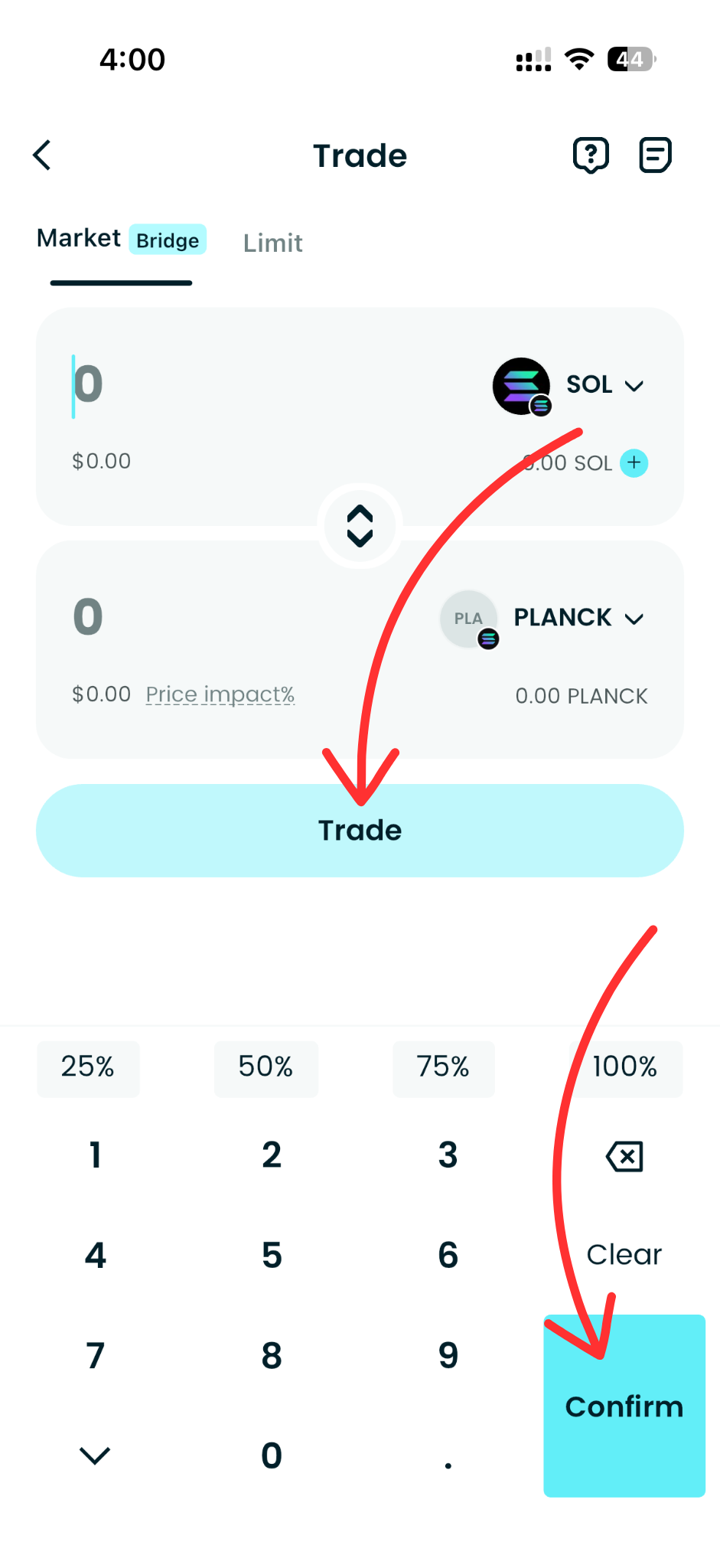
Step 6: Monitor Your Trade
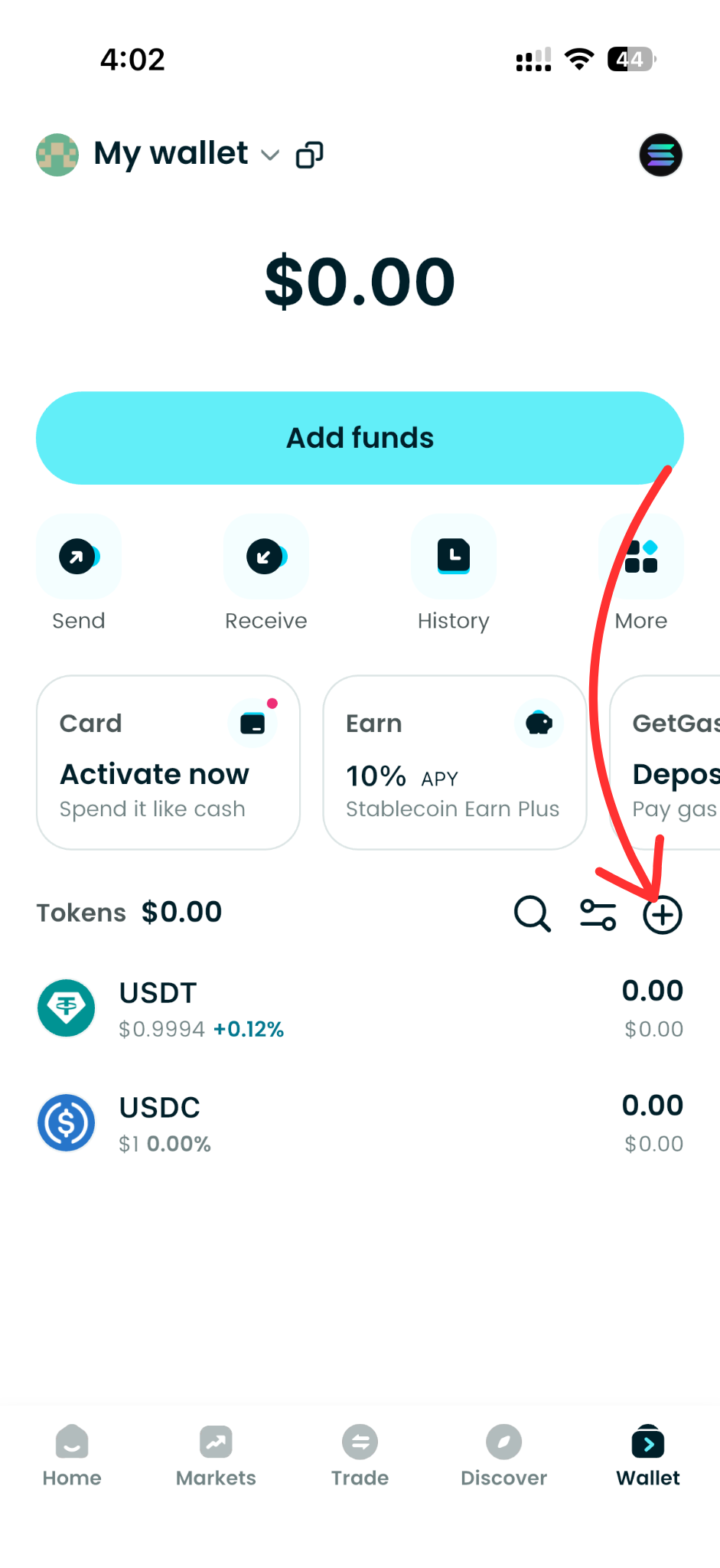
After placing your order, you can monitor its status in the “Open Orders” section. Once the order is executed, you can check your balance to see your newly acquired Planck (PLANCK).
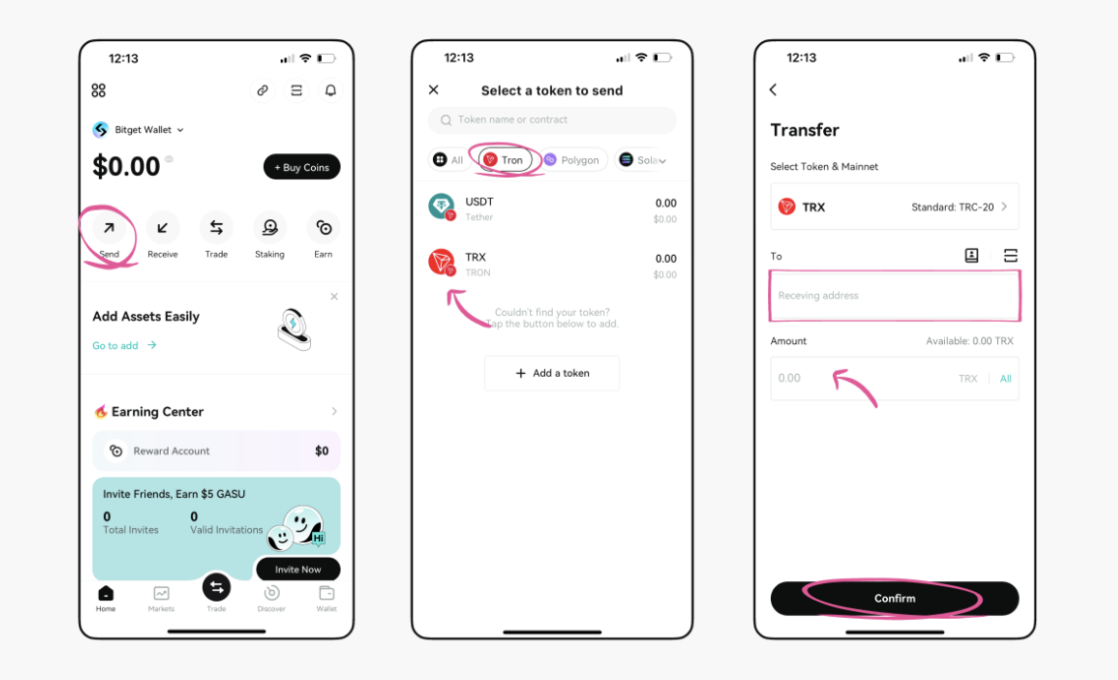
Step 7: Withdraw Your Funds (Optional)
If you wish to transfer your Planck (PLANCK) or any other cryptocurrency to another wallet, navigate to the withdrawal section, enter your wallet address, and confirm the transaction.
▶Learn more about Planck (PLANCK):
Conclusion
Planck (PLANCK) joining Bitget isn’t just about trading—it’s about accelerating a decentralized, AI-driven compute ecosystem. With its focus on democratizing GPU power, enabling AI-native connectivity, and empowering developers through decentralized infrastructure, the project is positioning itself for long-term innovation and real-world adoption.
For those looking to get involved, now’s the time. Whether it’s trading, participating in compute economics, or joining the rapidly growing community, early adopters have the opportunity to shape the future of Planck (PLANCK).
To manage your assets securely and seamlessly, Bitget Wallet offers a user-friendly solution for storing, trading, and interacting with digital currencies. Managing assets should be simple and secure, and Bitget Wallet makes it effortless to navigate the evolving digital economy—empowering users to trade, store, and engage with crypto with ease.
Download Bitget Wallet for faster cross-chain trending trades, perfect for beginners.
Sign up Bitget Wallet now - grab your $2 bonus!
FAQs
1. What is Planck (PLANCK)?
Planck (PLANCK) is an AI-native Layer-0 and GPU-native Layer-1 network designed to provide decentralized, high-performance compute for AI, DePIN, and Web3 applications. It enables developers and enterprises to access GPU power through a decentralized marketplace.
2. What can PLANCK tokens be used for?
PLANCK tokens are used to pay for GPU compute resources, reward node operators for providing compute power, and support ecosystem activities such as AI workloads, dApp functionality, and infrastructure operations within the Planck Network.
3. How do I buy PLANCK directly after the listing?
Once the PLANCK listing is live, users can buy PLANCK by depositing USDT into their Bitget account, navigating to the PLANCK/USDT trading pair, and placing a market or limit order. Bitget Wallet also allows seamless purchasing through its swap feature.
Risk Disclosure
Please be aware that cryptocurrency trading involves high market risk. Bitget Wallet is not responsible for any trading losses incurred. Always perform your own research and trade responsibly.


 Arc (ARC) Airdrop Guide: How to Participate and Claim $ARC Rewards2025-12-03 | 5 mins


