


Who Is Kevin Hassett and What Should Investors Expect After He Becomes the Fed Chair in 2026?
Who is Kevin Hassett—and why is his name suddenly dominating financial, political, and crypto conversations? Kevin Hassett, a long-time economist and Trump ally, is now the frontrunner to become the next Chair of the Federal Reserve in May 2026. Kevin Hassett’s monetary philosophy is notably dovish: he has repeatedly argued for faster, deeper interest-rate cuts, challenging the Fed’s more cautious approach while gaining rapid visibility across markets. In a landscape shaped by inflation uncertainty, Treasury volatility, and shifting global liquidity, investors today increasingly rely on secure tools like Bitget Wallet to manage assets during unpredictable macro cycles.
As the 2026 transition at the Federal Reserve approaches, markets have already begun pricing in Kevin Hassett’s leadership. Treasury yields have swung on news reports, prediction markets have repositioned sharply, and analysts—from traditional macro economists to crypto strategists—are debating whether Kevin Hassett represents stability or disruption. This article breaks down who Kevin Hassett is, why markets care, and what investors should expect from a dovish Federal Reserve in 2026.
Key Takeaways
- Kevin Hassett is a pro-growth, rate-cut advocate who says inflation is “way down.” He argues the Federal Reserve should move faster and ease more aggressively.
- Prediction markets now place Kevin Hassett far ahead as the likely 2026 Federal Reserve Chair. His rising odds reflect growing investor confidence that a dovish pivot is coming.
- A Kevin Hassett–led Fed could accelerate liquidity expansion across the economy. This environment tends to support equities, housing, Bitcoin, Ethereum, and broader crypto markets.
Who Is Kevin Hassett According to His Career and Economic Background?
Kevin Hassett’s professional journey spans academia, government service, and economic research. His combined experience in policy advising and analytical work forms the basis of the economic philosophy shaping his approach to Federal Reserve leadership.
What Were Kevin Hassett’s Early Academic and Policy Foundations?
Kevin Hassett’s early career established the technical foundation for his policy views, grounded in formal economic training and early exposure to U.S. monetary institutions.
- He earned a BA from Swarthmore College and a PhD in economics from the University of Pennsylvania, focusing on macroeconomic modeling and fiscal analysis.
- He served as an economist at the Federal Reserve Board in the 1990s, contributing to capital-market research and macroeconomic forecasting.
- He later taught at Columbia Business School, specializing in empirical macroeconomics and financial-market behavior.
How Did Kevin Hassett Rise to National Influence?
Kevin Hassett’s transition from academic research to national economic leadership expanded both his visibility and policy impact.
- He became a senior scholar at the American Enterprise Institute and co-authored Dow 36,000, gaining broader public recognition.
- He served as Chair of the Council of Economic Advisers from 2017 to 2019, helping shape major corporate tax policies.
- He returned to the White House as Director of the National Economic Council, advising on macroeconomic strategy and fiscal direction.
How Do Kevin Hassett’s Public Statements Define His Economic Philosophy?
Kevin Hassett’s public messaging reveals a consistent pro-growth stance that emphasizes credit access, investment incentives, and lower interest rates.
- He argues that inflation pressures are overstated and supports more aggressive rate cuts to prevent economic slowdown.
- He frequently highlights middle-class financial pressures, advocating for cheaper auto loans, easier mortgage access, and policies that strengthen household credit conditions.

Source: Wikipedia
Why Does Kevin Hassett Support Faster and Deeper Interest Rate Cuts?
Kevin Hassett’s dovish stance challenges the current Federal Reserve approach. His commentary reflects a belief that monetary policy is tighter than necessary and that faster easing could reshape inflation trends, credit access, and risk-asset performance.
What Makes Kevin Hassett a “Dove” in Fed Terms?
Kevin Hassett generally favors policies that stimulate growth, support credit availability, and encourage investment, even when inflation remains above target.
- He prioritizes easier financial conditions over strict inflation containment.
- He believes recent inflation pressures have eased more than official data suggests.
- He has argued that the Federal Reserve is “late to the game” in delivering needed rate cuts.
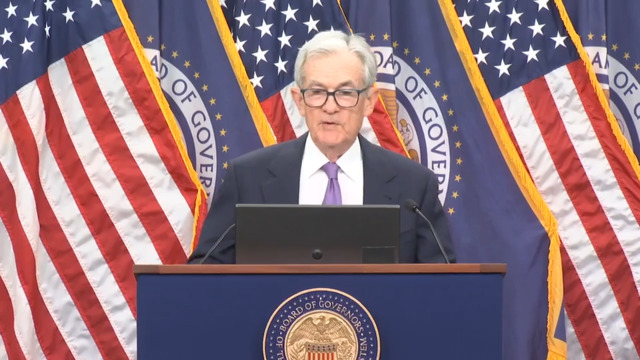
Source: The Federal Reserve
How Does Kevin Hassett View Labor Markets and Economic Cooling?
Kevin Hassett frequently highlights labor-market softness as one of the clearest signals that monetary policy is too restrictive. He argues that slowing hiring trends, rising pockets of underemployment, and cooling wage growth all point to an economy that can no longer sustain elevated interest rates. In Kevin Hassett’s view, easing policy sooner would help prevent a deeper downturn and alleviate pressure on businesses facing higher borrowing costs. He has also questioned whether certain employment statistics accurately reflect real conditions, suggesting that political influence or methodological issues may distort how labor strength is reported. This perspective has drawn debate among economists but remains central to Kevin Hassett’s case for faster and more aggressive rate cuts.
Could Kevin Hassett’s Rate Policies Boost Asset Prices?
Kevin Hassett’s preferred policy path—lower interest rates and looser financial conditions—typically has broad implications for both traditional and digital markets.
- Lower yields tend to weaken the U.S. dollar and lift demand for risk assets such as Bitcoin, Ethereum, tech equities, and DeFi tokens.
- Increased liquidity historically supports crypto participation, with easier access to capital often driving higher trading volumes and market activity.
What Are the Market Implications If Kevin Hassett Becomes Fed Chair in 2026?
Financial markets have already begun reacting to the possibility of Kevin Hassett becoming the next Federal Reserve Chair. Movements in Treasury yields, prediction markets, and crypto sentiment show that investors are pricing in a faster, more aggressive rate-cut cycle and preparing for the volatility that may accompany it.
How Are Markets Already Pricing Kevin Hassett as the Potential Fed Chair?
Bond markets and prediction platforms reacted quickly as soon as Kevin Hassett emerged as the clear favorite.
- Treasury yields initially dropped after reports suggested a dovish shift was imminent, signaling expectations of earlier rate cuts.
- Yields rebounded shortly afterward as concerns surfaced about whether inflation would remain contained under a more aggressive easing strategy.
- Prediction markets pushed Kevin Hassett’s probability from roughly 40% to nearly 80%, indicating strong investor confidence that a leadership change is coming and that policy will pivot toward accommodation.
Why Are Analysts Split on Whether Kevin Hassett’s Policies Are Bullish or Risky?
Analysts remain divided because Kevin Hassett’s approach carries both upside potential and structural risks for financial markets.
- Crypto-focused firms such as Bitwise and Grayscale argue that his rate-cut stance is “strongly bullish,” noting that digital assets historically outperform when real yields fall.
- More traditional macroeconomists warn that a dovish and politically aligned Federal Reserve could raise questions about independence, ultimately prompting bond markets to demand higher inflation premiums.
- The close working relationship between Kevin Hassett and Donald Trump fuels speculation about policy pressure, adding another layer of uncertainty for long-term monetary credibility.
Analyst Takeaway:
Most analysts agree that Kevin Hassett’s policies could unlock significant short-term upside for risk assets, especially crypto, but the long-term impact depends on whether markets trust the Federal Reserve to maintain independence and control inflation. In other words, the upside is meaningful—but so is the margin for error.
Sources: Bitwise, Grayscale, Bloomberg, Axios
Read more: Fed Rate Cut is Imminent: Is It A Bullish Sign for Crypto?
How Might Crypto React Under Kevin Hassett’s Fed?
Crypto markets tend to respond more dramatically than traditional assets during periods of monetary easing, and a Kevin Hassett–led Fed would likely follow a pro-liquidity path.
- Lower real yields historically strengthen performance in BTC, ETH, and major DeFi ecosystems, as cheaper capital encourages risk-taking and long-duration asset exposure.
- Risk-on cycles typically revive altcoin trading activity, which may lead to faster market rotations and increased speculative volume.
- If rate cuts occur earlier or more aggressively than expected, crypto markets could see renewed momentum similar to prior easing cycles.
Read more: Fed Rate Cut: How will it Hit the Crypto Market
What Should Investors Expect from a Kevin Hassett-Led Fed in 2026?
Investors are preparing for a significant shift in monetary policy if Kevin Hassett becomes Federal Reserve Chair in 2026. His dovish orientation sggests earlier and deeper rate cuts, more liquidity flowing into financial markets, and a potentially different communication style compared to previous Fed leadership. Combined insights from Forbes, Bloomberg, Bitget Academy, and prediction markets offer a clearer picture of the opportunities and risks ahead.
Will the Federal Reserve Cut Rates Faster Under Kevin Hassett?
Kevin Hassett has been unusually explicit about his preferred approach to monetary policy, signaling that the current stance is too restrictive. In interviews and commentary, he has repeatedly argued that inflation has slowed enough to justify immediate easing. For investors, this transparency offers a glimpse into how aggressively policy might pivot.
- Kevin Hassett stated that he would cut interest rates “right now,” indicating that he views current conditions as overly tight and potentially harmful to growth.
- His alignment with a broader pro-growth, low-rate agenda suggests that easing could begin early in his term and progress more quickly than markets previously expected.
- Such positioning places him firmly in the “dovish” camp, and prediction markets have already incorporated the likelihood of faster policy shifts into Treasury yield expectations and rate futures.
What Are the Risks of Aggressive Easing?
Aggressive easing can create short-term market support, but it also introduces several structural risks that investors must monitor closely:
- Higher inflation premiums in bond markets as investors demand greater compensation for long-term risk.
- Increased concerns about Federal Reserve independence due to closer political alignment with the White House.
- Greater volatility across asset classes if rapid policy shifts create uncertainty or inconsistent communication.
- Potential erosion of the Fed’s inflation-fighting credibility, prompting sharper moves in Treasury yields.
- Heightened global sensitivity as foreign markets react to a more unpredictable U.S. policy environment.
What Should Investors Prepare For?
A Kevin Hassett-led Federal Reserve may introduce a period of easier financial conditions, faster shifts in market sentiment, and a more dynamic policy environment. Preparing ahead of time can help investors navigate both the opportunities and the risks that emerge during an accelerated easing cycle.
- Liquidity Positioning: Investors should expect a more supportive environment for tech stocks, real estate assets, Bitcoin, Ethereum, and the broader crypto market, as these sectors historically benefit from increased capital flow and lower borrowing costs.
- Volatility Awareness: Faster communication shifts and policy adjustments may trigger sharper reactions across bonds, equities, and digital assets, making it essential to monitor Federal Reserve signals more closely.
- Strategic Flexibility: Maintaining adaptable portfolios—whether through stablecoin liquidity, cross-chain mobility, or diversified exposure to rate-sensitive sectors—can help investors respond quickly to changing monetary conditions.
Read more: How do Interest Rates Influence the Cryptocurrency Market?
How Can Investors Navigate a Dovish Fed Cycle Using Bitget Wallet?
A dovish Federal Reserve cycle typically brings lower interest rates, greater liquidity, and stronger risk appetite across financial markets. In these conditions, investors benefit from tools that allow them to move capital quickly, diversify across chains, and earn passive yield while staying flexible. Bitget Wallet provides the essential infrastructure—stablecoin management, yield products, swaps, and global payments—to help investors respond effectively to rapid macro shifts.
How Can Stablecoins in Bitget Wallet Help Investors Prepare for Rate Cuts?
Stablecoins become especially valuable during a dovish cycle because they allow investors to hold liquidity on-chain while staying ready to reposition instantly.
- Secure, non-custodial storage for USDT and USDC gives investors full control of their capital during volatile rate decisions.
- Stablecoin Earn Plus offers up to 10% APY, allowing idle liquidity to generate returns while waiting for market entry opportunities:
- Cross-chain mobility ensures investors can shift stablecoin positions efficiently across ecosystems to capture yield, deploy into assets, or react to macro data in real time.
How Can Bitget Wallet Swap Help Investors React to Market Movements?
Bitget Wallet Swap gives investors the ability to reposition quickly when markets move sharply, especially during macro events where seconds can influence outcomes.
- Zero-fee swaps on trending tokens, RWAs, BTC, ETH, and DeFi assets allow investors to rotate capital efficiently without worrying about added costs.
- Instant execution across major chains ensures that investors can take action immediately when market sentiment shifts or volatility spikes.
- Highly effective during FOMC-driven volatility, sudden rate pivots, or unexpected policy signals, enabling users to enter or exit positions before prices settle.
How Does Cross-Chain Support and Bitget Wallet Card Improve Investor Flexibility?
A dovish cycle doesn’t just affect on-chain markets—real-world liquidity also expands. Bitget Wallet is designed to support both.
- Multi-chain support lets investors adjust strategies quickly across ecosystems as liquidity flows into different sectors of the market.
- A unified portfolio dashboard helps track assets across chains during fast-moving macro cycles.
- Bitget Wallet Card enables global stablecoin spending through Mastercard/Visa, letting investors directly use on-chain assets in everyday transactions:
- Zero-fee payments offer a cost-efficient way to deploy stablecoins without conversion losses during shifting monetary conditions.
Manage stablecoins, trade trending tokens, and explore Web3 seamlessly — beginner-ready with Bitget Wallet.
Conclusion
Who is Kevin Hassett, and why does his potential leadership matter? His dovish stance and history in economic policymaking suggest the Federal Reserve could shift toward faster rate cuts in 2026, creating a more liquidity-rich but volatile environment. Investors may see renewed momentum in equities and crypto, but also sharper swings as markets adjust to a new policy style.
To stay prepared, Bitget Wallet offers practical tools for navigating these shifts: Stablecoin Earn Plus with up to 10% APY, zero-fee trading on memecoins and RWA U.S. stock tokens, and a crypto card with Mastercard & Visa for global, zero-fee spending. Download Bitget Wallet to manage stablecoins, trade across chains, and stay ready for every Fed-driven market move.
Sign up Bitget Wallet now - grab your $2 bonus!
FAQ
1. Who is Kevin Hassett and why does his potential Fed role matter?
Kevin Hassett is a long-time economist and former Trump advisor known for advocating aggressive rate cuts and pro-growth policies. His potential leadership could reshape how the Federal Reserve manages liquidity, interest rates, and market stability.
2. Why is Kevin Hassett considered a dovish economist?
Kevin Hassett argues that inflation has cooled more than official data suggests. He believes the Federal Reserve should ease faster to support economic growth, household credit access, and overall financial conditions.
3. How might a Kevin Hassett-led Federal Reserve affect crypto markets?
Lower real yields typically strengthen performance in Bitcoin, Ethereum, and broader altcoin markets. A more accommodative monetary environment often increases liquidity, benefiting DeFi participation and speculative activity.
4. What risks should investors watch for in 2026?
A rapid easing cycle could trigger bond-market pushback and higher inflation premiums. Investors should also monitor concerns about political influence on Federal Reserve policy and the potential for increased volatility.
5. How can Bitget Wallet help investors during shifting monetary policy?
Bitget Wallet provides stablecoins, Earn Plus yields, and zero-fee swaps to navigate fast-changing conditions. It also offers cross-chain support and the Bitget Wallet Card for flexible global spending during market transitions.
Risk Disclosure
Please be aware that cryptocurrency trading involves high market risk. Bitget Wallet is not responsible for any trading losses incurred. Always perform your own research and trade responsibly.


 Arc (ARC) Airdrop Guide: How to Participate and Claim $ARC Rewards2025-12-03 | 5 mins


