


What is a Fuel Wallet?
A Fuel wallet is a digital gateway designed to interact with the Fuel Network, a cutting-edge modular execution layer built for the Ethereum ecosystem. Unlike standard wallets that rely on the Ethereum Virtual Machine (EVM), a dedicated wallet for Fuel must be capable of navigating the unique architecture of the FuelVM. Fuel is designed to provide maximum security and flexible throughput. It utilizes the FuelVM, which is optimized for parallel transaction execution and restricted state access, allowing for superior performance compared to the Ethereum mainnet. By using a compatible wallet, you can seamlessly manage your assets while taking advantage of the network's specialized UTXO-based model and high-speed execution capabilities.
Download Bitget Fuel Wallet
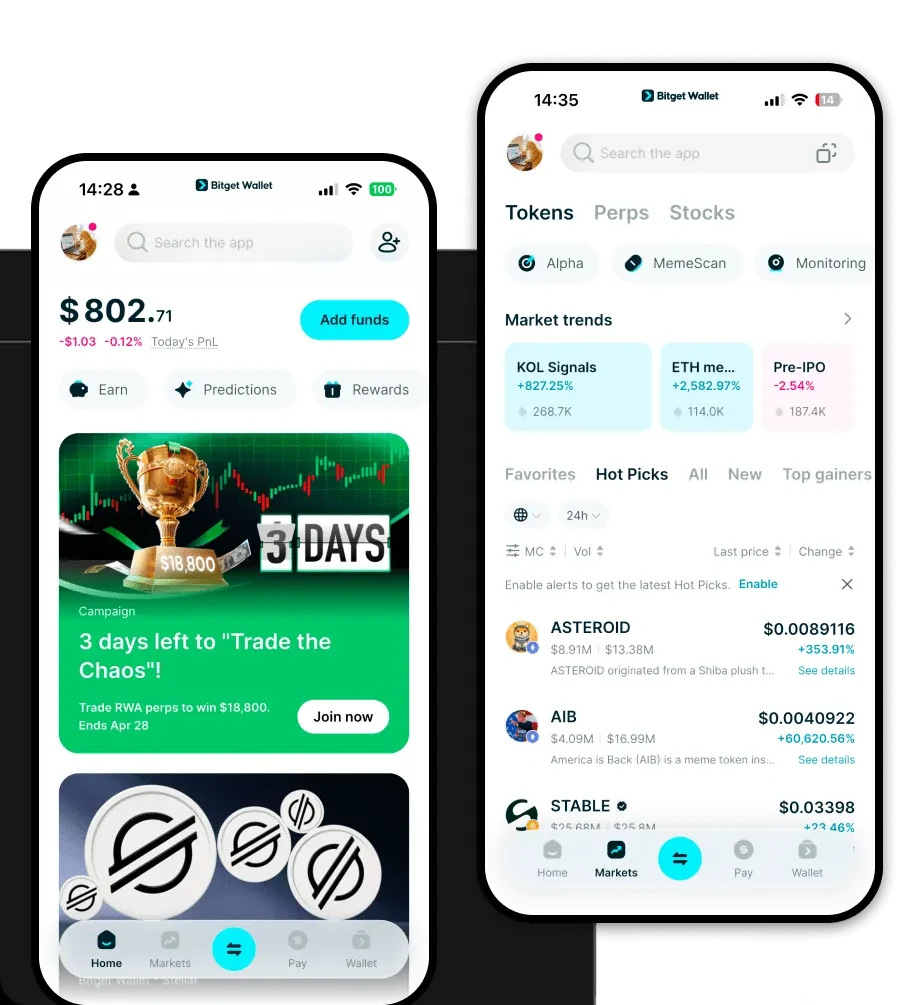
To fully experience the high-performance capabilities of the Fuel ecosystem, you need a robust, user-friendly interface. Bitget Wallet stands out as the premier choice for enthusiasts looking to explore modular execution layers. Whether you are on the move or working from a desktop, Bitget Wallet offers a unified experience across platforms. You can download Bitget Wallet to access a secure, non-custodial environment where you maintain full control over your private keys. It is available as a mobile app for iOS and Android, as well as a browser extension, ensuring that your Fuel assets are always accessible, whether you are managing complex infrastructure tasks or simply monitoring your portfolio.
Why Choose Bitget Fuel Wallet?
Choosing the right wallet for an infrastructure-heavy network like Fuel is critical. Bitget Wallet provides specific advantages tailored to the network's unique architecture:
- Native Support for Modular Architecture: Bitget Wallet is built to handle the nuances of the FuelVM, ensuring that your transactions are correctly formatted and processed according to the network's specific requirements.
- Advanced UTXO Management: Because Fuel utilizes a UTXO-based model, Bitget Wallet simplifies the complexity of managing unspent transaction outputs, providing a clean, intuitive interface for your balance.
- High-Performance Integration: The wallet is optimized to leverage Fuel’s parallel transaction execution, ensuring that your interactions with the network are not bottlenecked by outdated wallet technology.
- Comprehensive Asset Security: With a $300 million user protection fund, Bitget Wallet provides an extra layer of security, safeguarding your assets even as you engage with new, experimental infrastructure projects.
- Seamless Cross-Chain Connectivity: As a modular execution layer, Fuel often interacts with other chains; Bitget Wallet’s built-in cross-chain bridges make moving assets into and out of the Fuel ecosystem effortless.
How to Create a Fuel Wallet
Setting up your wallet to interact with the Fuel Network is a straightforward process. Follow these steps to get started:
- Download and Install: Visit the official website to download Bitget Wallet for your preferred device (iOS, Android, or browser extension).
- Create a New Wallet: Open the app and select 'Create a New Wallet'. Follow the prompts to generate your recovery phrase.
- Secure Your Recovery Phrase: Write down your 12-word seed phrase and store it in a safe, offline location. Never share this with anyone.
- Enable Fuel Network: Open the network settings within the wallet and ensure the Fuel network is enabled or added to your list of supported chains.
- Generate Your Address: Once the network is active, navigate to your dashboard to view your unique Fuel wallet address, which you can now use to receive assets.
What Can You Do With a Fuel Wallet?
A Fuel wallet is more than just a storage tool; it is your command center for participating in the next generation of modular infrastructure. Here is how you can utilize your wallet:
- Deploying Decentralized Applications: Use your wallet to interact with developer interfaces, allowing you to deploy smart contracts and dApps directly onto the Fuel Network.
- Cross-Chain Interoperability: Leverage your wallet to bridge assets from Ethereum or other chains into Fuel, enabling you to participate in a wider ecosystem of liquidity.
- Scalable Transaction Processing: Take advantage of high throughput by executing complex transaction batches that would be costly or slow on traditional mainnets.
- Participating in Network Consensus: Use your wallet to stake or delegate assets, allowing you to contribute to the security and consensus mechanism of the network.
- Developing High-Performance Smart Contracts: Utilize your wallet to test and interact with smart contracts that take advantage of the FuelVM's restricted state access for superior performance.
How Fuel Wallets Are Different from Other Crypto Wallets
Interacting with a network like Fuel requires a different approach compared to standard EVM chains. While many wallets are designed for accounts-based systems (like Ethereum's address-based balance tracking), a Fuel wallet must handle the UTXO (Unspent Transaction Output) model. This fundamental difference means that your wallet is optimized for parallel execution, allowing multiple transactions to be confirmed simultaneously without waiting for a linear sequence. Furthermore, because Fuel is a modular execution layer, the wallet focuses on high throughput and minimized state bloat. Unlike EVM wallets that focus heavily on gas fees and simple token transfers, a Fuel-ready wallet like Bitget is engineered to handle the technical requirements of parallelized infrastructure, ensuring that your transactions are fast, efficient, and perfectly aligned with the network's unique architecture.
