


What is zbit (ZBIT): Bitcoin Ordinals BRC-20 Token Built on Inscription-Based Scarcity
What Is zbit (ZBIT)? zbit (ZBIT) goes beyond being a conventional digital asset—it represents the emerging Bitcoin Ordinals and BRC-20 token culture, reflecting a shift toward Bitcoin-native tokenization while encapsulating the core principles of on-chain scarcity, transparency, and minimal design within the broader blockchain ecosystem. By combining Bitcoin’s immutable base layer with inscription-based technology, zbit (ZBIT) illustrates how fungible tokens can exist on Bitcoin without relying on smart contracts.
With backing primarily from its community and Ordinals market participants, zbit (ZBIT) is not positioned as a utility-heavy protocol but as an experimental asset within the evolving Bitcoin ecosystem. This article explores what zbit (ZBIT) is, how it works, and where it fits within the BRC-20 landscape, helping readers understand its characteristics, market role, and associated risks when navigating this segment of the cryptocurrency market.
Own your Web3 journey easily with Bitget Wallet – secure, fast, and beginner-ready.
Key Takeaways
- zbit (ZBIT) is a Bitcoin Ordinals (BRC-20) token issued directly on the Bitcoin blockchain using inscription-based technology rather than smart contracts.
- The token follows a fixed-supply, scarcity-driven model, aligning with Bitcoin’s core economic principles instead of utility-heavy DeFi features.
- zbit (ZBIT) remains a micro-cap, low-liquidity asset, meaning price movements are highly volatile and risk-intensive.
- For users managing zbit (ZBIT) alongside other crypto assets, Bitget Wallet provides a secure, non-custodial environment to monitor holdings, manage stablecoins, and participate safely across multiple blockchains.
What Is zbit (ZBIT) and Why It Matters?
zbit (ZBIT) is a Bitcoin Ordinals (BRC-20) token built on the Bitcoin blockchain, representing a modern, inscription-based approach to fungible tokens on Bitcoin. Rather than relying on smart contracts, zbit (ZBIT) exists through Ordinals inscriptions, reflecting a minimalist, Bitcoin-native design philosophy. The project embodies the following values:
- On-chain scarcity aligned with Bitcoin’s fixed-supply ethos
- Transparency and simplicity through inscription-based issuance
- Community-driven participation within the Ordinals ecosystem

Source: Bitget
zbit (ZBIT) has gained attention alongside renewed interest in Bitcoin Ordinals, as traders and collectors continue exploring BRC-20 tokens issued directly on Bitcoin. While liquidity remains limited and the market is highly volatile, zbit (ZBIT) activity reflects broader experimentation within the Bitcoin ecosystem, where inscription-based assets are increasingly discussed as an alternative form of Bitcoin-native tokenization.
zbit (ZBIT) Listing Details and Launch Date
Key Listing Information
Here are the confirmed listing details for zbit (ZBIT):
- Exchange: LBank
- Trading Pair: ZBIT/USDT
- Deposit Available: April 10, 2024, 11:00 UTC
- Trading Start: April 11, 2024, 11:00 UTC
- Withdrawal Available: April 12, 2024, 11:00 UTC
Don’t miss your chance to start trading zbit (ZBIT) on LBank and explore one of the earliest BRC‑20 tokens built directly on the Bitcoin network using Ordinals.
- Please refer to the official announcement for the most accurate schedule.
Which Is Better: Crypto Exchange or Crypto Wallet Trading?
If you want full control of your assets and maximum earning power, choose Bitget Wallet. Unlike crypto exchanges where funds remain in custody, Bitget Wallet is self-custodial, giving you security, privacy, and direct access to DeFi.
Bitget Wallet Key Advantages:
✅ Stablecoin Earn Plus: Earn up to 18% APY on your holdings
✅ Zero-fee trading on memecoins and RWA U.S. stock tokens
✅ Crypto card with Mastercard & Visa: Spend globally with zero fees
Add to that instant cross-chain swaps across Solana, Ethereum, and BNB, and you’ll see why many users combine both worlds — trading early and fee-free with Bitget Wallet, then using CEXs for bulk orders.
👉 For autonomy, yield, and zero fees, Bitget Wallet gives you the edge.
zbit (ZBIT) Price Prediction and Outlook 2025
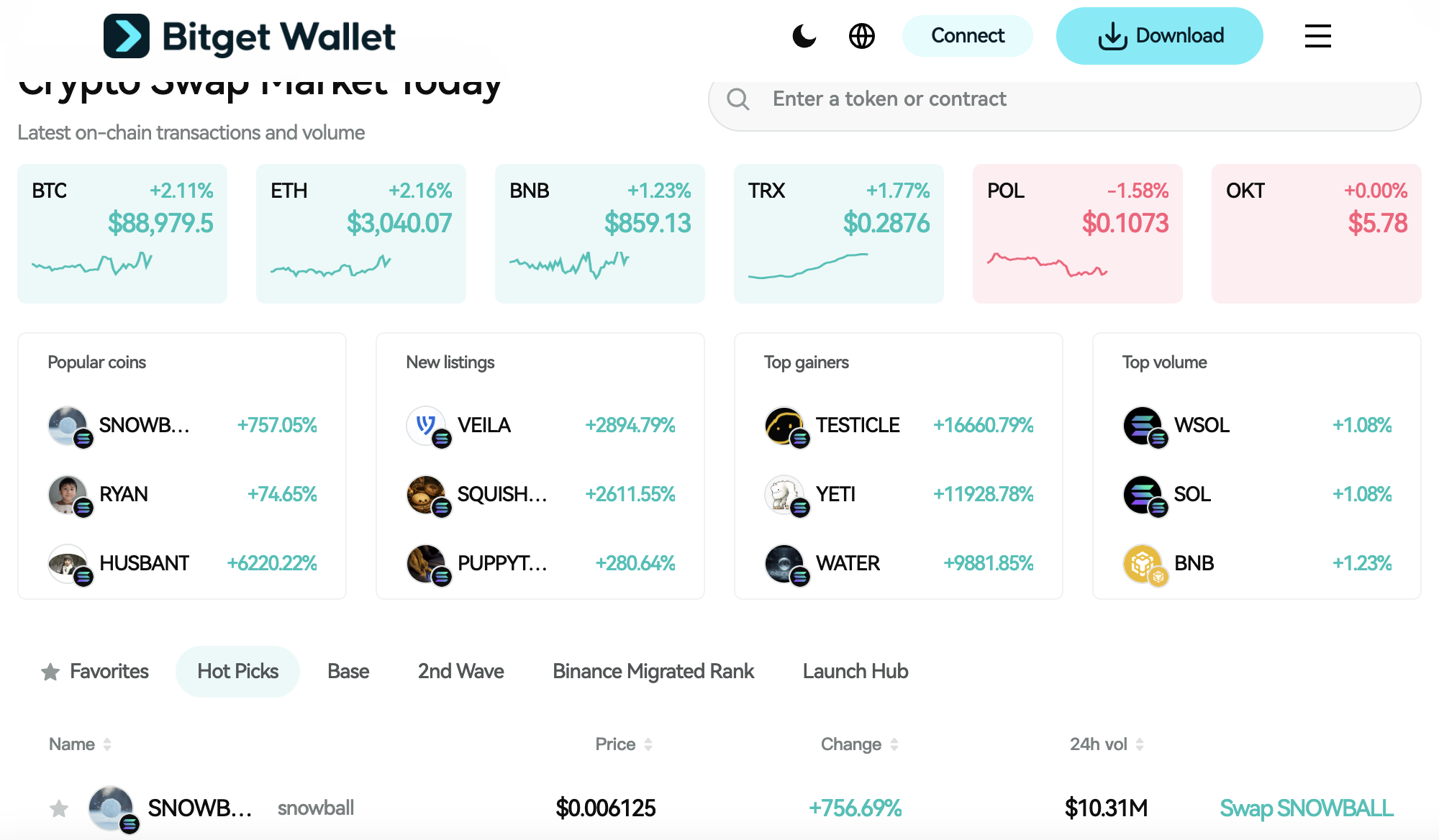
The value of zbit (ZBIT) is shaped by evolving BRC-20 token trends, Bitcoin Ordinals market traction, and the project’s growing niche among Bitcoin-native assets. While still in an early experimental phase, zbit has gained visibility due to its inscription-based issuance and capped supply model. With continued community engagement and speculation around BRC-20 standards, zbit (ZBIT) is expected to trade within the range of $0.015 – $0.050 throughout 2025. Should broader Bitcoin adoption support inscription-based ecosystems, the token’s value could gradually rise toward a long-term projection of $0.10+.
Key Factors Impacting zbit (ZBIT) Price
Several aspects influence the potential price movement of zbit (ZBIT):
-
Market Conditions:
Bitcoin’s price performance directly affects BRC-20 tokens. Bullish BTC cycles often bring more speculation to Ordinals, positively influencing zbit’s demand.
-
Adoption & Utility:
Although zbit does not serve a utility function, its symbolic role in the BRC-20 narrative and as an early inscription token enhances its collectible appeal.
-
Project Expansion:
While zbit does not have a complex roadmap, its presence on multiple platforms (e.g., Bitget, LBank) and community attention can fuel organic interest and speculative trading.
Future Price Outlook
As zbit (ZBIT) continues circulating within the Bitcoin Ordinals and inscription markets, growing recognition may drive short-term spikes in trading volume and price. Analysts watching the BRC-20 space suggest that increased infrastructure (wallet support, marketplaces, explorers) may further legitimize inscription-based tokens. If this trend holds, zbit (ZBIT) could approach the $0.08–$0.10 range by late 2025, although this remains highly speculative.
Before investing, individuals should evaluate tokenomics, volatility, and lack of utility use cases. As with most BRC-20 assets, zbit's success is closely tied to broader Bitcoin experimentation and collector sentiment.
Source: Bitget, LBank, CoinGecko
Source: Bitget Wallet
Core Features of zbit (ZBIT) and Why They Matter?
The standout features of zbit (ZBIT) reflect its experimental role in Bitcoin-native tokenization and its alignment with the values of the Ordinals and BRC-20 ecosystem:
1. Bitcoin-Native Token Structure (BRC-20 Standard)
Unlike ERC-20 tokens that rely on smart contracts, zbit (ZBIT) is created through inscriptions directly on Bitcoin via the Ordinals protocol. This means the token leverages the security, immutability, and decentralization of the Bitcoin blockchain while introducing fungibility through metadata inscriptions.
This is significant because it shows that Bitcoin can support tokenization without altering its base-layer rules or depending on second-layer protocols.
2. Fixed Supply and Scarcity Model
zbit (ZBIT) has a hard-capped total supply of 21 million tokens, mirroring Bitcoin's own supply limit. There is no minting mechanism, inflation, or hidden emission schedule — what exists is all there will ever be.
This scarcity model appeals to collectors and early adopters of BRC-20 tokens, reinforcing its narrative as a cultural artifact and speculative store of value rather than a utility-driven token.
3. Minimalist, Utility-Free Design
zbit (ZBIT) does not offer staking, governance, or protocol-level functions — and that’s intentional. Its value lies in being a pure BRC-20 inscription, making it a representation of the minimalist ethos of Bitcoin itself. This simplicity appeals to purists and experimental traders who want exposure to early-stage Ordinals assets without overcomplicated tokenomics or DeFi entanglement.
In essence, zbit (ZBIT) functions more like a digital collectible or narrative asset, similar to early NFTs, than a typical utility token.
The zbit (ZBIT) Ecosystem: How It Functions?
How zbit (ZBIT) Works?
- Built on Bitcoin, using the Ordinals protocol to enable inscription-based fungible tokens without smart contracts.
- Inherits Proof of Work (PoW) from Bitcoin, securing transactions at the base layer.
- Supports BRC-20-based tokenization, primarily used for speculation, cultural collection, and experimentation — not DeFi or dApps.
Key Benefits
- Bitcoin-Based Security – zbit (ZBIT) relies on Bitcoin's battle-tested security infrastructure, making it highly censorship-resistant and immutable.
- Fixed Supply Scarcity – With a total cap of 21,000,000 tokens, zbit aligns with Bitcoin’s scarcity narrative, which appeals to collectors and long-term holders.
- Cultural Relevance – As one of the early BRC-20 inscriptions, zbit (ZBIT) is part of a growing narrative of Bitcoin-native experimentation. Its simplicity makes it an accessible entry point for those exploring Ordinals.
zbit (ZBIT) Team: Leadership and Strategic Vision
The Team
zbit (ZBIT) is a project that has emerged from the Bitcoin Ordinals and inscription community, rather than from a publicly doxxed or VC-funded team. As is common with many early BRC-20 tokens, the creators of zbit (ZBIT) have chosen to remain anonymous, emphasizing community ownership and decentralized culture over centralized leadership.
Despite the lack of a visible founding team, zbit (ZBIT) has attracted attention among Bitcoin-native traders, NFT collectors, and BRC-20 ecosystem participants due to its early-mover status and adherence to Bitcoin's minimalist ethos. The project reflects a grassroots movement rather than a corporation-led protocol.
The Vision
The core vision of zbit (ZBIT) is to serve as a cultural and financial artifact that represents Bitcoin’s potential to support tokenization without smart contracts. The goal is not to introduce utility in the traditional DeFi sense but to become a symbol of on-chain scarcity and Bitcoin purity, showcasing how digital assets can exist on Bitcoin through inscription, not application logic.
This aligns with the broader vision of the Ordinals movement: to treat Bitcoin not just as a payment network, but as a canvas for decentralized creativity, scarcity, and permanence.
Partnerships
As of now, zbit (ZBIT) does not maintain formal partnerships with large protocols, exchanges, or DAOs. However, it has been listed on centralized exchanges such as LBank and featured in Bitget’s BRC-20 tracking and inscription marketplace, giving it more visibility in the broader ecosystem.
Its presence across platforms reflects growing support for Bitcoin-native token experimentation. As infrastructure for BRC-20s continues to evolve — including wallet support, marketplaces, and explorers — zbit (ZBIT) may see future collaboration opportunities with Ordinals-focused tooling and marketplaces.
Key Use Cases of zbit (ZBIT): How It’s Transforming the Bitcoin Ecosystem
zbit (ZBIT) serves a variety of purposes within the emerging Bitcoin Ordinals and BRC-20 environment, acting as both a speculative asset and a cultural representation of on-chain tokenization without smart contracts.
zbit (ZBIT) Use Cases
-
Bitcoin-Native Token Experimentation
zbit (ZBIT) offers users and developers a practical example of how fungible tokens can exist on Bitcoin using inscription methods. It contributes to expanding the utility of Bitcoin from being a store of value to supporting token ecosystems without requiring Layer-2s or smart contracts.
-
Digital Scarcity Asset for Collectors
With its fixed supply and early placement in the BRC-20 timeline, zbit (ZBIT) is being collected as a digital scarcity token — much like early NFTs were. This use case appeals to Ordinals collectors and those exploring narrative-driven speculation on Bitcoin.
-
Liquidity Entry Point for BRC-20 Markets
zbit (ZBIT) is traded on CEXs like LBank and indexed by Bitget’s BRC-20 explorer. This makes it one of the more accessible BRC-20 tokens for traders who want exposure to Bitcoin-native tokens without interacting directly with Ordinals wallets or inscription tools.
These applications highlight the practical value of $ZBIT in Bitcoin’s evolving token infrastructure — particularly as Bitcoin transitions into a broader ecosystem capable of supporting collectibles, token experiments, and minimalistic decentralized assets.
zbit (ZBIT) Roadmap: What to Expect in 2025 and Beyond?
The roadmap for zbit (ZBIT) outlines a community-driven path of growth, cultural relevance, and deeper adoption within the evolving Bitcoin Ordinals ecosystem:
| Roadmap | |
| Q3 2025 | Integration into more inscription marketplaces and BRC-20 explorers to increase visibility and on-chain liquidity. |
| Q4 2025 | Launch of collector-focused initiatives (airdrops, Ordinals collections, and early BRC-20 showcases), highlighting zbit as a cultural asset. |
| Q1 2026 | Listing targets on additional CEXs and infrastructure platforms (e.g., wallets, indexers) to expand accessibility. |
| Q2 2026 | Begin collaboration with Ordinals-based analytics, inscription tools, and commemorative token projects to strengthen zbit's symbolic position. |
These roadmap milestones emphasize the practical and narrative-driven value of $ZBIT in the Bitcoin-native collectible and token experimentation space, especially as more infrastructure is built around BRC-20 assets.
How to Buy zbit (ZBIT) on Bitget Wallet?
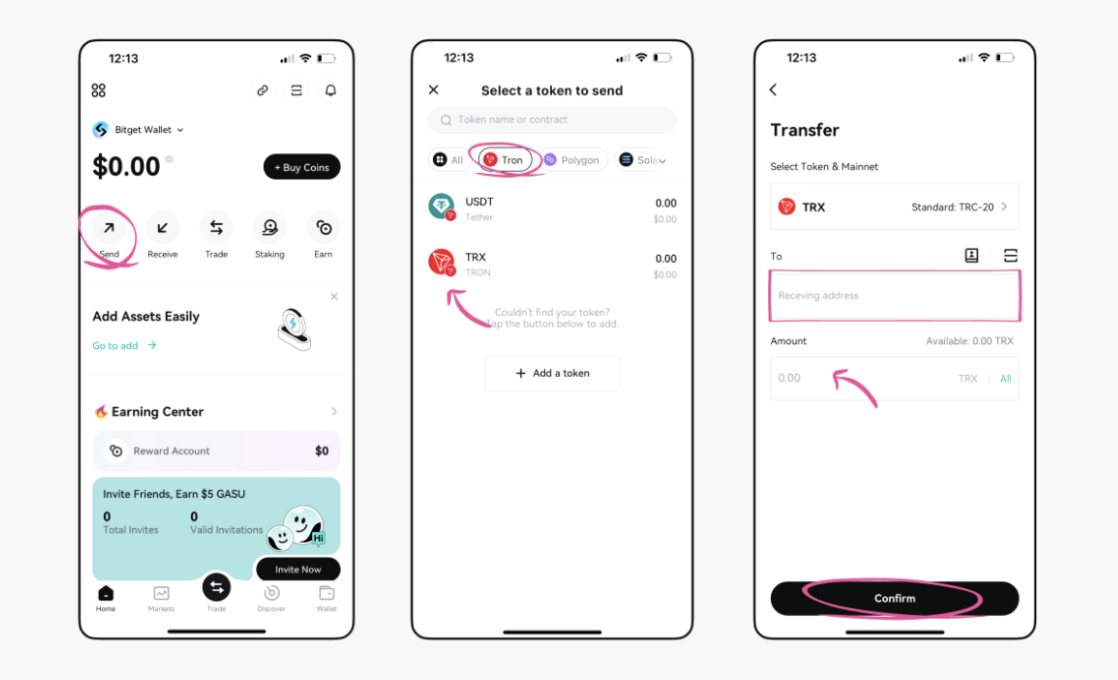
Trading zbit (ZBIT) is easy on Bitget Wallet. Follow these simple steps to get started:
Step 1: Create an Account
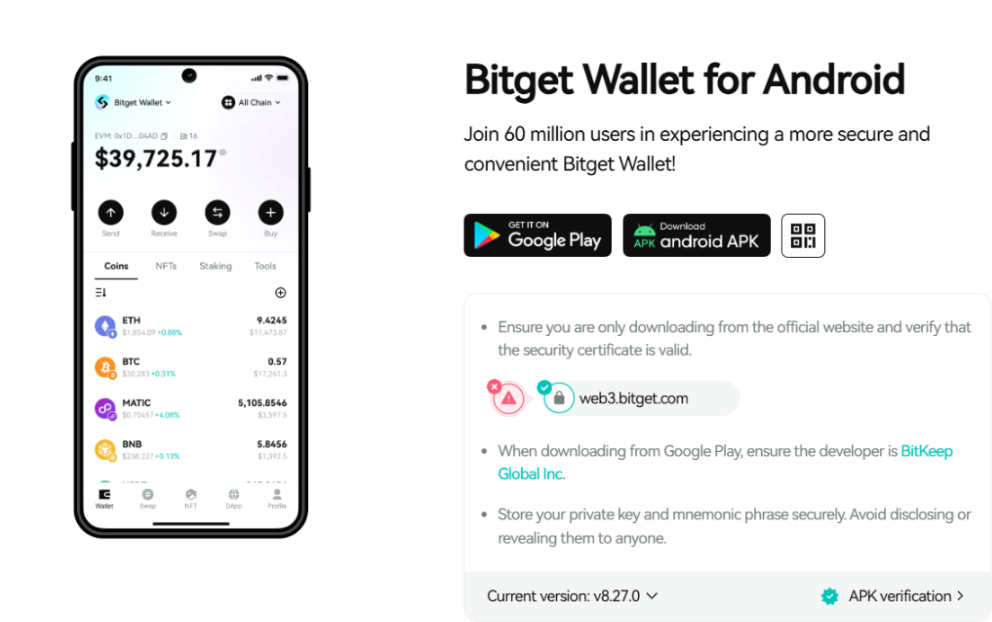
If you don't have an account, download the Bitget Wallet app. Sign up by providing the necessary information and verifying your identity.
Step 2: Deposit Funds
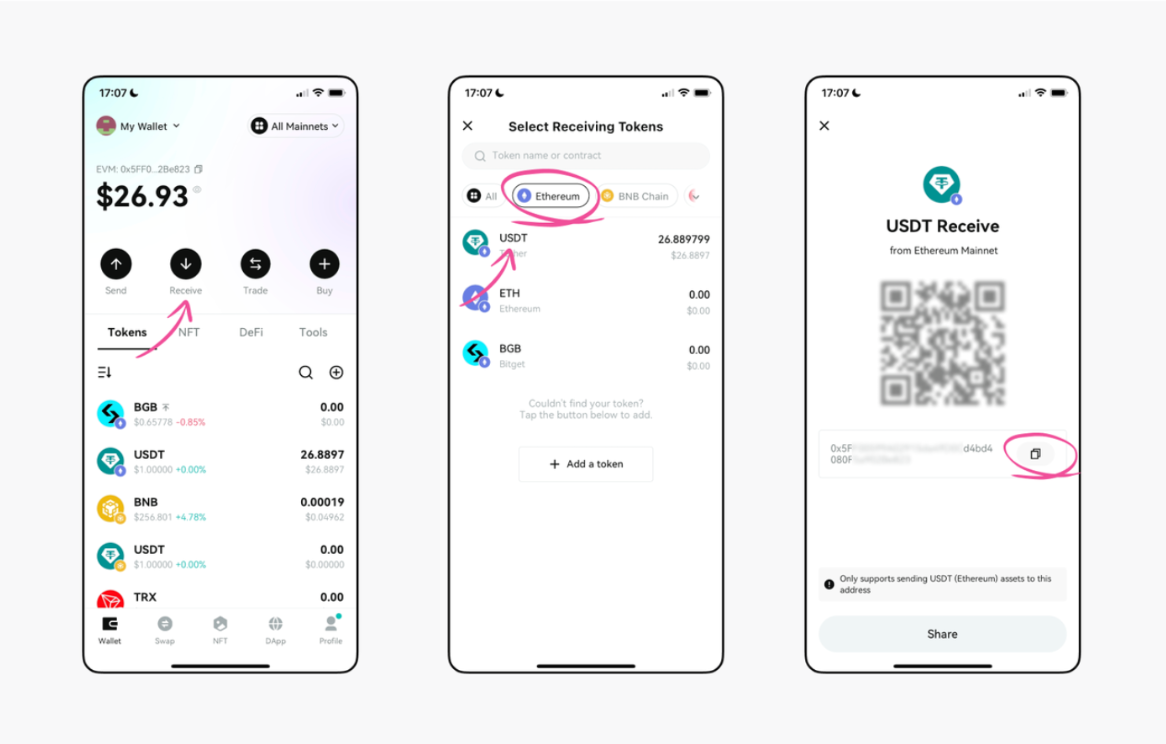
Once your account is set up, you need to deposit funds. You can do this by:
- Transferring Cryptocurrency: Send crypto from another wallet.
- Buying Crypto: Use a credit or debit card to purchase crypto directly on Bitget Wallet, ensuring you have enough funds for trading zbit (ZBIT).
Step 3: Find zbit (ZBIT)
In the Bitget Wallet interface, navigate to the market section. Use the search bar to find zbit (ZBIT). Click on the token to view its trading page.
Since this token has not been listed yet, please refer to the final contract address provided by the project team after the token is officially listed.
Step 4: Choose Your Trading Pair
Select the trading pair you wish to use, such as ZBIT/USDT. This will allow you to trade zbit (ZBIT) against USDT or another cryptocurrency.
Step 5: Place Your Order
Decide whether you want to place a market order (buy/sell at the current market price) or a limit order (set your own price). Enter the amount of zbit (ZBIT) you wish to buy or sell, then confirm your order.
Step 6: Monitor Your Trade
After placing your order, you can monitor its status in the “Open Orders” section. Once the order is executed, you can check your balance to see your newly acquired zbit (ZBIT).
Step 7: Withdraw Your Funds (Optional)
If you wish to transfer your zbit (ZBIT) or any other cryptocurrency to another wallet, navigate to the withdrawal section, enter your wallet address, and confirm the transaction.
▶ Learn more about zbit (ZBIT):
Conclusion
zbit (ZBIT) represents a new chapter in Bitcoin’s evolution — one where fungible tokens can exist without smart contracts, relying solely on Ordinals inscriptions. As one of the early BRC-20 tokens, zbit stands as a cultural and speculative artifact in the growing Bitcoin-native ecosystem. While it lacks utility-driven functions, its scarcity, simplicity, and alignment with Bitcoin’s ethos give it strong appeal for collectors, early adopters, and inscription-focused traders.
For those exploring zbit (ZBIT), Bitget Wallet offers a streamlined and secure way to engage. As a non-custodial, multichain wallet, Bitget Wallet supports BRC-20 tokens, cross-chain swaps, and native Bitcoin inscriptions — all in one place. With integrated purchase options, real-time market tracking, and Web3 dApp access, Bitget Wallet simplifies the process of buying, managing, and securing zbit (ZBIT) and other tokens across ecosystems. Whether you're trading memecoins, exploring Bitcoin inscriptions, or collecting digital assets, Bitget Wallet empowers your journey with flexibility, speed, and total control.
Unlock cross-chain DeFi and stablecoin savings easily in Bitget Wallet.
Sign up Bitget Wallet now - grab your $2 bonus!
FAQs
1. What is zbit (ZBIT) used for?
zbit (ZBIT) is a BRC-20 token issued on Bitcoin using the Ordinals protocol. It does not serve a traditional utility function like governance or staking but instead acts as a cultural and experimental asset representing the potential of inscription-based tokenization on Bitcoin.
2. Is zbit (ZBIT) safe to store in Bitget Wallet?
Yes. Bitget Wallet supports Bitcoin and BRC-20 inscriptions, making it a secure, non-custodial option for managing zbit (ZBIT). Users retain full control over their private keys and can monitor, swap, and interact with BRC-20 assets directly within the app.
3. Where can I trade or buy zbit (ZBIT)?
You can trade zbit (ZBIT) on centralized exchanges like LBank, and track it through Bitget’s BRC-20 explorer. Once listed in Bitget Wallet’s Swap or Market interfaces, users can easily search for it, verify the correct contract address, and trade it against supported pairs such as USDT.
Risk Disclosure
Please be aware that cryptocurrency trading involves high market risk. Bitget Wallet is not responsible for any trading losses incurred. Always perform your own research and trade responsibly.

 Banks Holding Bitcoin Japan - What the FSA’s New Rules Mean2025-10-28 | 5 mins
 Bitcoin Rally 2025: Why Investors Are Shifting from Gold to Crypto2025-10-28 | 5 mins


