Descargar ahora
Descargar ahora



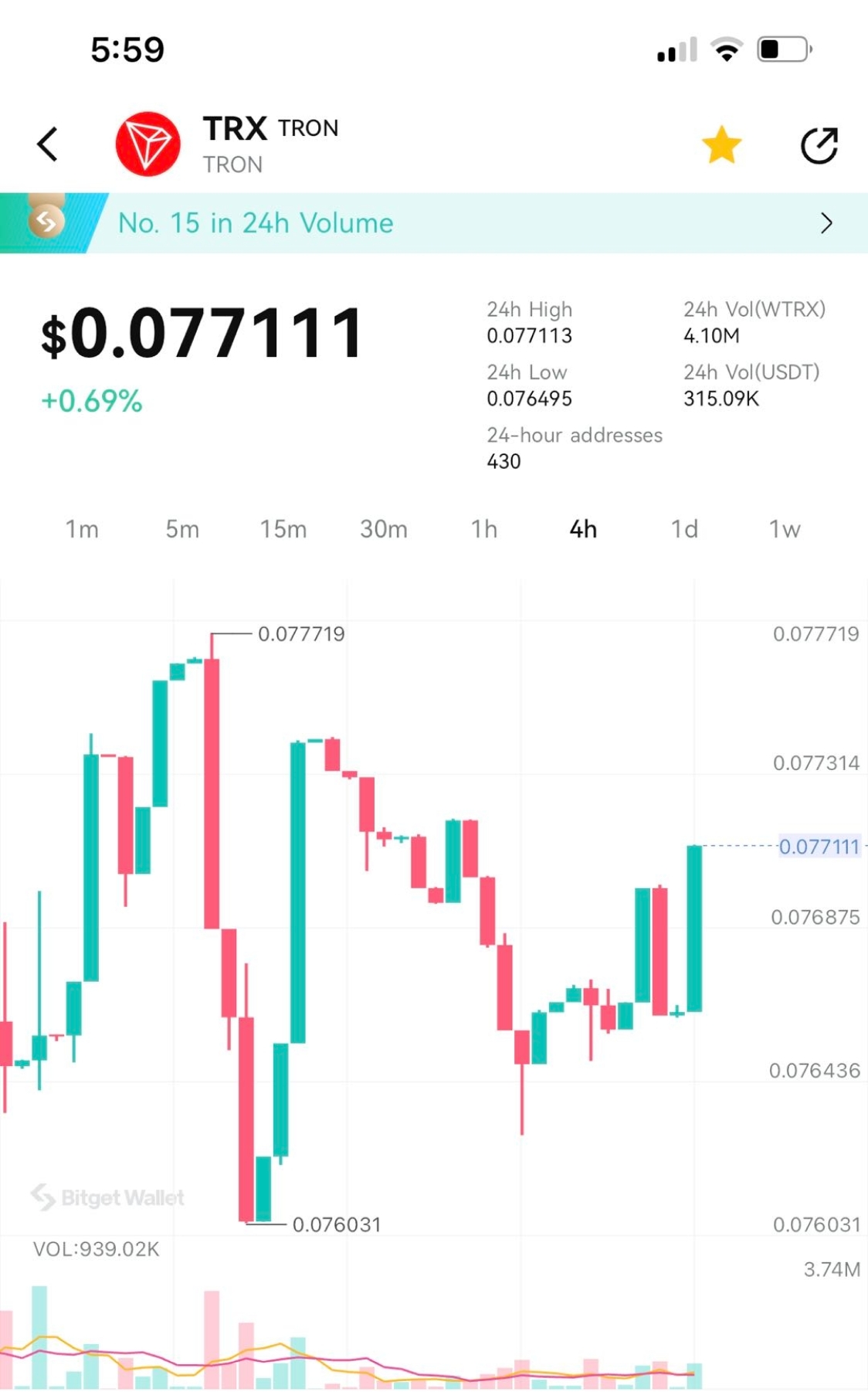
Tether TRC20 Wallet
With Tether TRC20 wallet, you can easily create or import TRC20 (USDT-TRON) wallets and make transfers, swaps, and other transactions. You can enjoy a great Tether USDT TRC20 trading experience while resting assured knowing that your assets are in a safe place.






How to create a TRC20 (USDT-TRON) wallet
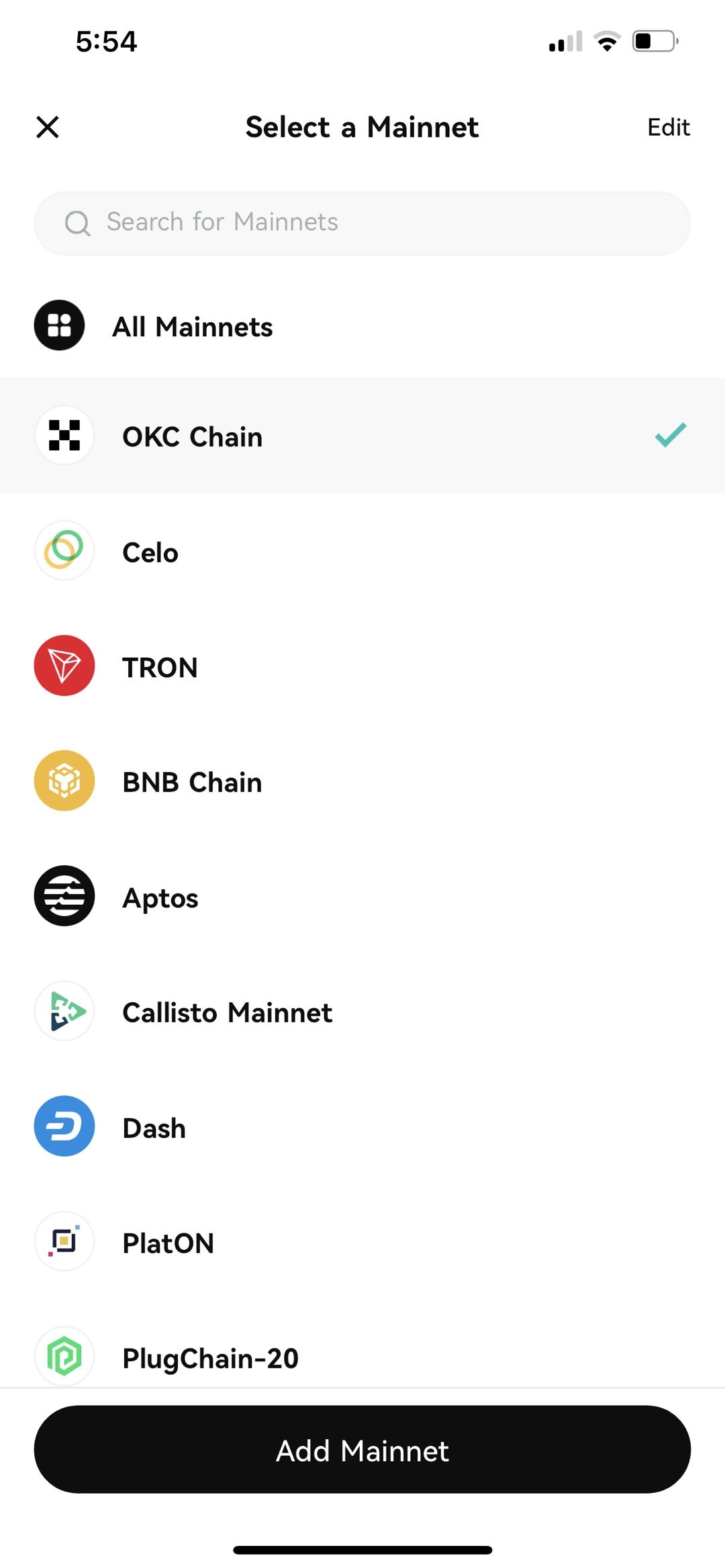
- 1. Create or import a wallet
- 2. Choose to add a token
- 3. Choose USDT (TRC20)
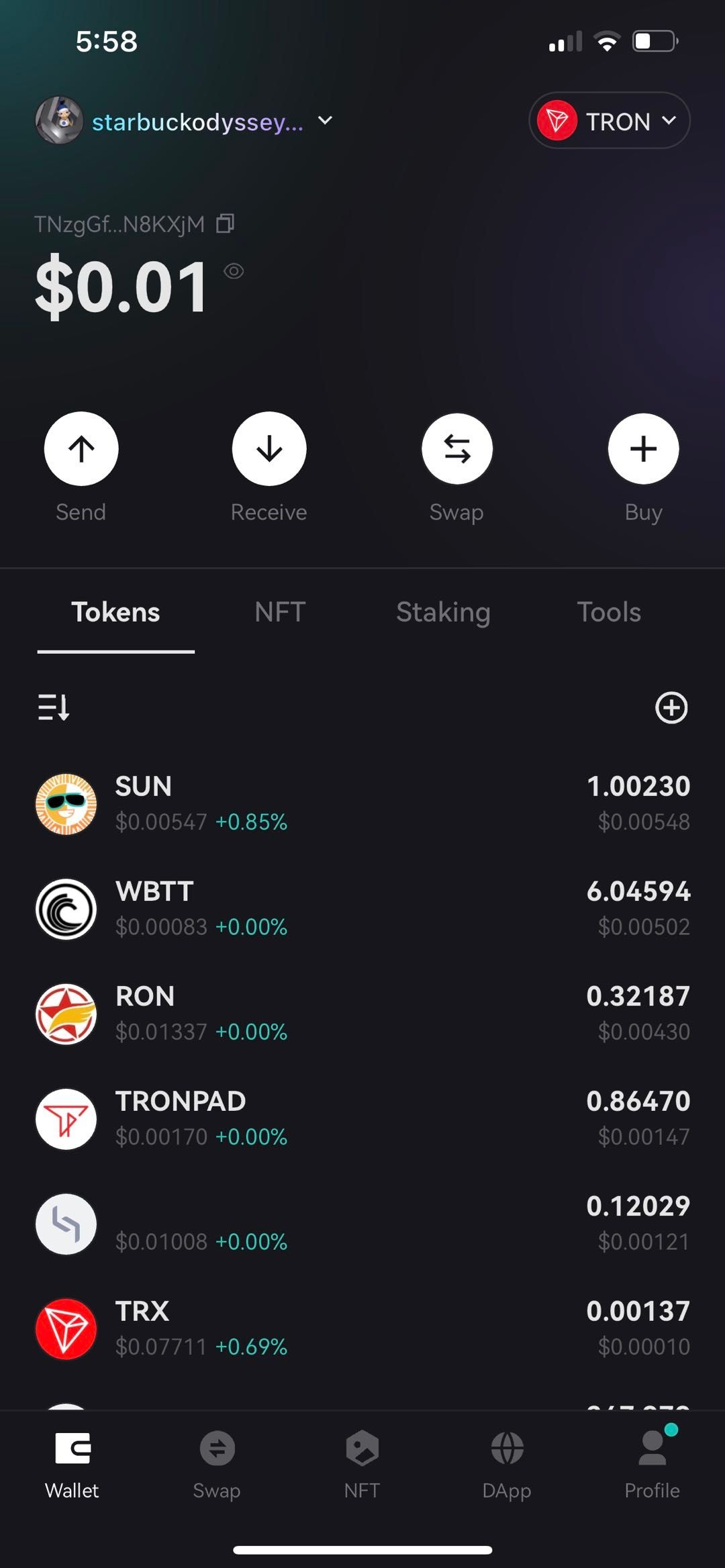
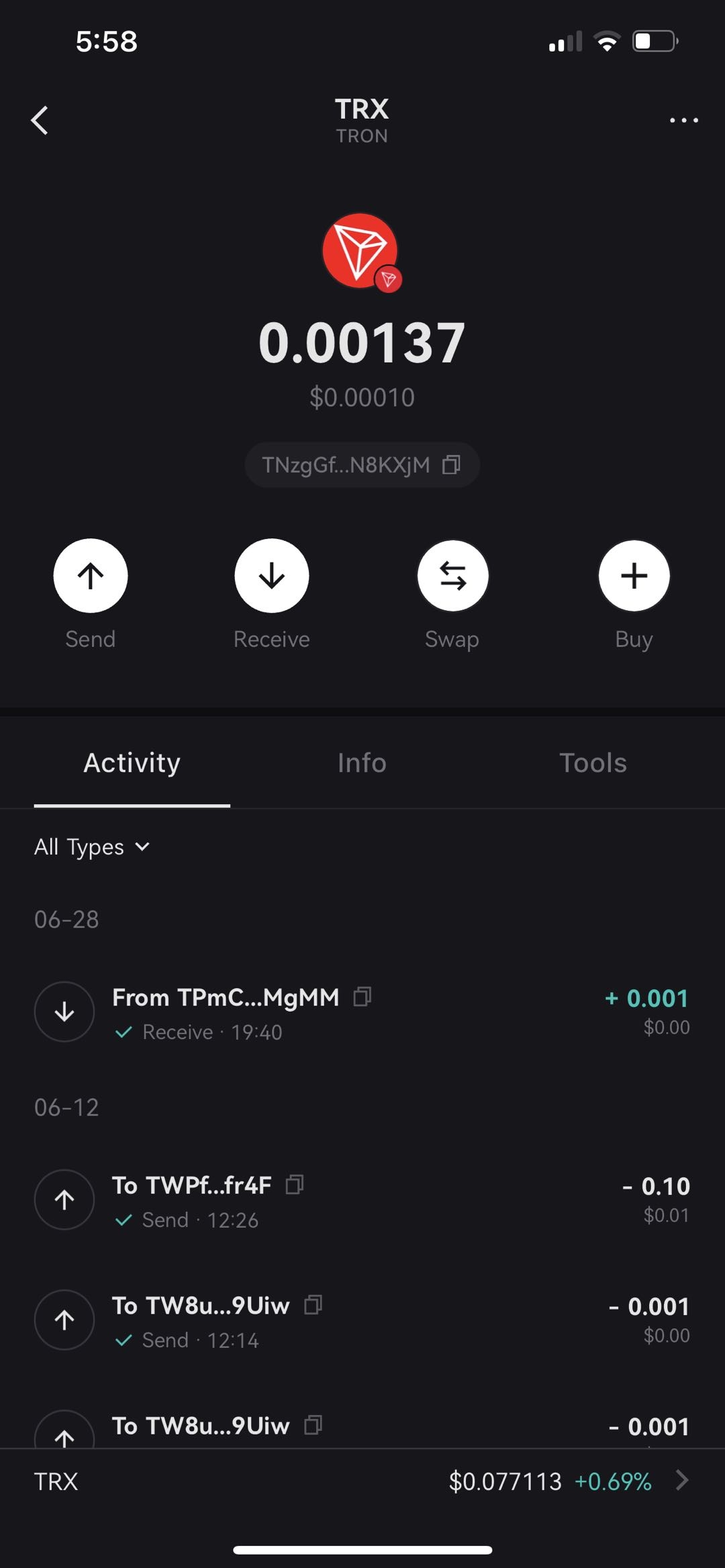
- 4. Return to the home page of Bitget Wallet to view the added mainnet and its native token
You can also use our OTC feature to buy USDT(TRC20)\TRX(TRC20)\USDC(TRC20) with fiat currency and then swap for other tokens on Tether.
FAQ
How to purchase TRC20 tokens?
What’s the best Tether USDT TRC20 wallet?
How to download and create a Tether TRC20 wallet?

About Tether TRC20 (USDT-TRON)
What is Tether TRC20?
Tether (TRC20) is Tether's USDT that is issued on the TRON network in 2019. Since the launch, its circulation has surpassed that of ETH. The main advantage is that compared with the Ethereum network, the Gas fee of TRC20 is very cheap. Relying on the TRON network and rich applications on TRON, Tether (TRC20) is used for transactions, which in turn expanded the utility of the existing network. USDT is not a new token product, and it can be value-preserving token against violent fluctuations in the blockchain network. USDT is strictly pegged with USD at 1:1. With increasing demand for USDT in the market, it not only runs on one blockchain network. There are three most well-known USDT tokens: USDT-OMNI, USDT-ERC20 and USDT-TRC20. The emergence of USDT also provides a channel to exchange tokens into fiat currency.Features of Tether TRC20
As the token of USD, USDT is strictly pegged with US dollar at 1:1. USDT can be value-preserving token against violent fluctuations in the blockchain network. It is supported by fiat currency at the ratio of 1:1 and is very stable. Secondly, Tether claims that its fiat currency reserve is regularly audited. The account is publicly queryable. And all TRC20 transaction records are published on the chain. TRON is one of the top ten blockchains in the world by value. Relying on the strong mainnet background, TRC20 has greatly reduced the trust cost of users and improved the security of users transferring stable coins. This is also the basis for the popularization of TRC20. Compared with other established stablecoins, TRC20-USDT has been greatly optimized in terms of transfer fees and transaction confirmation speed.What’s the difference between USDT OMNI, ERC20 and TRC20?
As USDT being used in increasingly more scenarios, the market demand for it is also surging. Three are three types of USDT for us to choose from: OMNI, ERC20 and TRC20. They play basically the same role in transactions, but they are on different networks which are not compatible with each other. That means you need to pay attention to the type of address in the transaction process. Each of the three types of USDT has its own advantages. Simply put, each is suitable for large amount transactions, medium amount transactions and small amount transactions, respectively. OMNI, born in 2014, is based on the Bitcoin network. Its address starts with "1". For each transfer, the user needs to pay a small amount of Bitcoin as gas. Compared with the other two USDTs, OMNI charges the highest tx fee. But it’s also the most secure one because it is deployed on the Bitcoin network. Although its transaction speed cannot meet the needs of today's market, it is still the first choice for large amount transactions. ERC20 is based on the Ethereum network, and its address generally starts with "0x". Compared with OMNI, ERC20 is much more completive in terms transaction costs and transaction speed, and a large number of applications on Ethereum also help ERC20 to become recognized. TRC20 is based on TRON, and its address generally starts with “T”. In order to promote TRC20, Tether charges no tx fee for TRC20 transfers, but users may still need to pay the fee when withdrawing the token from exchanges. Thanks to the high TPS of TRON, TRC20 transactions are validated in seconds, which can meet the needs of most users, and also avoid damage to user interests caused by network congestion. It is suitable for users who need to make small amount transfers and expect instant results. Since USDTs on different networks are incompatible with each other, please check the type of USDT before making a transaction.

Empresa
Products

Empresa
Products