


What is a LIQENG Wallet?
A LIQENG wallet is a digital interface designed to interact with the LIQENG ecosystem, providing users with the ability to store, transfer, and manage their assets on the EVM (Ethereum Virtual Machine) blockchain. LIQENG was born from the "engineer liquidity" tweet posted by Jarett Reginald Stewart Dunn on July 3, 2026, and the subsequent community discussions sparked by code released by the whistleblower stacc. As an experimental liquidity engineering and market-making contract research platform, LIQENG operates at the intersection of DeFi and technical research. Because it functions within the EVM ecosystem, a LIQENG wallet acts as your gateway to interacting with smart contracts, liquidity pools, and decentralized applications (DApps) that support this innovative protocol. The project is driven by an anonymous or small development and research team, focusing on liquidity design, automated market-making (AMM), and the development of contract tools. It aims to provide engineers, market makers, and DAOs with the specialized financial modeling and educational resources necessary to navigate modern liquidity landscapes.
Download Bitget LIQENG Wallet
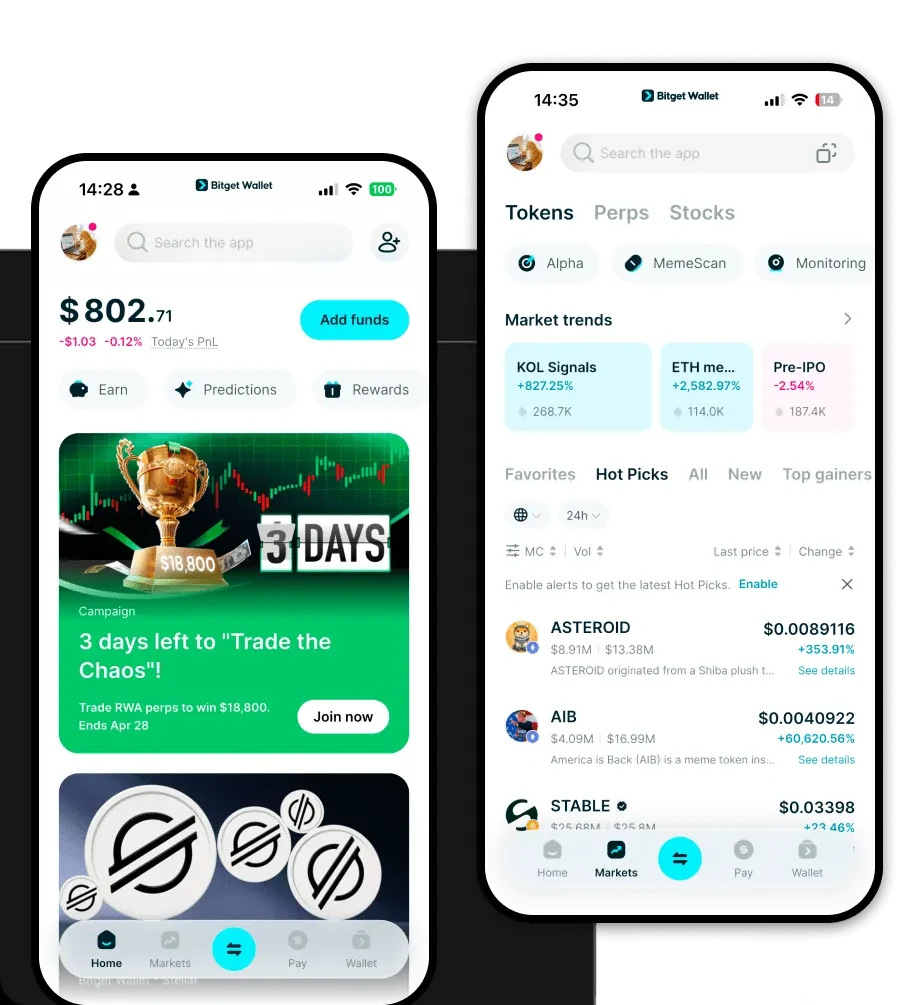
To engage with the LIQENG ecosystem effectively, you need a robust, non-custodial solution that keeps your assets under your direct control. Bitget Wallet provides a comprehensive interface for managing EVM-based tokens like LIQENG. By choosing to download Bitget Wallet, you gain access to a platform that prioritizes user sovereignty while maintaining an intuitive design.
Bitget Wallet is designed for versatility and accessibility, supporting over 130 mainnet blockchains and millions of tokens. Whether you are using an iOS device, an Android smartphone, or prefer the convenience of a browser extension for your desktop, Bitget Wallet ensures a seamless experience across all platforms. Unlike centralized exchanges, Bitget Wallet is a decentralized, non-custodial wallet, meaning you retain sole possession of your private keys and seed phrases. This architecture is essential for DeFi participants who prioritize security and full ownership of their liquidity engineering tools and assets.
Why Choose Bitget LIQENG Wallet?
When dealing with specialized DeFi assets like LIQENG, your choice of wallet matters. Bitget Wallet is optimized for the EVM environment, providing specific advantages for researchers and liquidity engineers:
- EVM Ecosystem Compatibility: Bitget Wallet seamlessly interacts with all EVM-compatible networks, allowing you to deploy smart contracts and interact with AMM protocols without friction.
- Advanced Gas Fee Management: By providing real-time gas estimation and optimization, the wallet ensures that your liquidity provision and strategy simulations remain cost-effective even during network congestion.
- DApp Browser Integration: Access the LIQENG research platform and other DeFi protocols directly through the built-in DApp browser, which provides a secure sandbox for testing your financial models.
- Aggregated Liquidity Pools: Benefit from the built-in DEX aggregator, which connects you to hundreds of decentralized exchanges, ensuring you get the best rates for your LIQENG trades.
- Robust Security Architecture: With a $300 million user protection fund and advanced encryption, Bitget Wallet provides a hardened environment for managing your smart contract strategy tools and open-source liquidity frameworks.
How to Create a LIQENG Wallet
Setting up your wallet is the first step toward exploring LIQENG's liquidity engineering tools. Follow these steps to get started:
1. Download and Install: Visit the official website and download the Bitget Wallet app for your preferred device (iOS, Android, or Browser Extension).
2. Create a New Wallet: Open the app and select "Create Wallet." You will be prompted to set a strong, unique password to protect your local device access.
3. Secure Your Seed Phrase: The app will generate a 12-word recovery phrase. Write this down on paper and store it offline; never share this phrase with anyone, as it is the master key to your funds.
4. Verify the Network: Since LIQENG operates on the EVM, ensure your wallet is set to the correct network (such as Ethereum or a supported Layer 2). You can easily switch between networks using the network toggle in the top corner of the app.
5. Import or Receive LIQENG: Once your wallet is set up, you can copy your public address to receive LIQENG tokens or import existing addresses if you are migrating from another EVM-compatible wallet.
What Can You Do With a LIQENG Wallet?
A LIQENG wallet is more than just a storage container; it is a laboratory for DeFi strategy. Here is how you can utilize your wallet to engage with the LIQENG ecosystem:
- Liquidity Provision Testing: Use your wallet to deposit LIQENG tokens into various experimental liquidity pools, allowing you to test the efficacy of your liquidity design in real-time market conditions.
- Automated Market Maker Optimization: Leverage your wallet to interact with AMM protocols, adjusting your parameters to refine your market-making strategies based on the latest community-driven financial modeling.
- Smart Contract Strategy Simulation: Utilize your non-custodial address to execute test transactions, enabling you to simulate complex financial strategies before deploying them on a larger scale.
- DeFi Protocol Research: Connect your wallet to various DeFi platforms to analyze their open-source liquidity frameworks, giving you a hands-on understanding of how different protocols manage risk and reward.
- Liquidity Engineering Education: Engage with the community by participating in governance or educational programs, using your wallet to verify your contributions and access specialized research tools provided by the LIQENG team.
How LIQENG Wallets Are Different from Other Crypto Wallets
Understanding the architecture of your wallet is crucial when working with EVM-based DeFi tokens. Unlike wallets designed for UTXO-based chains (like Bitcoin), which focus on individual transaction inputs and outputs, a LIQENG wallet on the EVM utilizes an account-based model. This means your balance is tracked as a state within the Ethereum Virtual Machine, which is highly advantageous for interacting with complex smart contracts.
Furthermore, because LIQENG is deeply rooted in DeFi, your wallet is optimized to handle "Gas"—the fee paid to network validators. Unlike chains with resource-based models (like EOS), the EVM model requires careful gas management. Bitget Wallet excels here by offering sophisticated gas fee controls, which are vital for liquidity engineers who execute frequent, complex transactions. Whether you are conducting liquidity provision testing or running simulations, the speed and efficiency of the Bitget Wallet interface ensure that your strategies are executed promptly, minimizing slippage and maximizing potential research outcomes.