


1. What is a BABL Wallet?
A BABL wallet is a digital interface designed to interact with the BABL token, which is the native governance asset of the Babylon Finance protocol. Babylon Finance was a pioneering decentralized asset management platform that enabled users to create and join investment clubs, automate yield farming, and manage crypto portfolios collectively. Because BABL operates on the Ethereum Virtual Machine (EVM) blockchain, it requires a wallet that is fully compatible with EVM standards to facilitate smooth transactions and interactions with smart contracts.
Understanding the nature of BABL is crucial for managing it effectively. As a governance token, it was central to the decentralized architecture of Babylon Finance, allowing holders to influence the protocol's development. Whether you are holding these tokens for legacy purposes or interacting within the broader DeFi ecosystem, having a reliable EVM-compatible wallet is the first step in maintaining control over your assets.
2. Download Bitget BABL Wallet
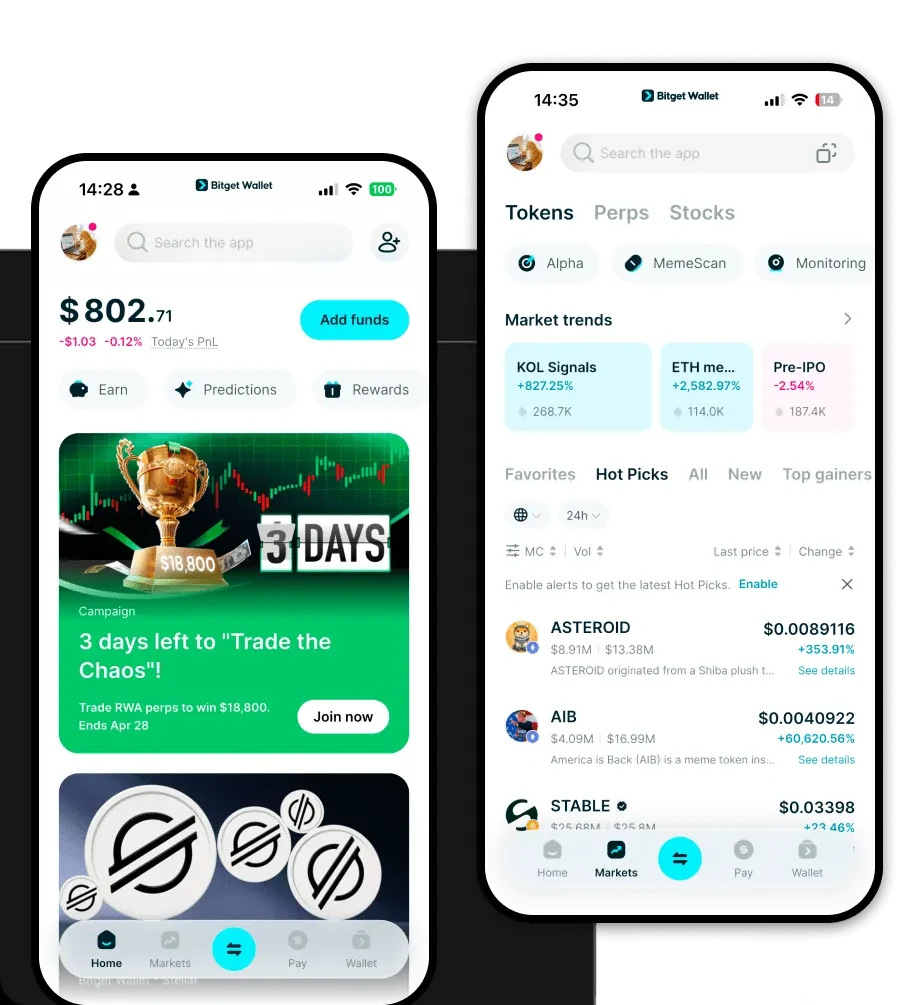
To start managing your assets, you need a robust, user-friendly interface. Bitget Wallet provides a comprehensive solution that supports the EVM ecosystem, making it an ideal choice for BABL holders. It functions as a non-custodial wallet, meaning you—and only you—hold the private keys to your assets, ensuring complete self-custody and security.
You can easily access the platform across various devices. Whether you prefer managing your portfolio on the go via iOS or Android, or you need a browser extension for seamless interaction with desktop-based DeFi applications, Bitget Wallet has you covered. The wallet is designed to aggregate multiple chains and assets, providing a unified view of your holdings. To get started, you can download Bitget Wallet and set up your secure gateway to the crypto world in minutes.
3. Why Choose Bitget BABL Wallet?
Choosing the right wallet for EVM-based tokens like BABL is about more than just storage; it is about performance and integration. Here is why Bitget Wallet stands out for DeFi users:
- EVM Ecosystem Integration: Seamlessly interact with Ethereum-based smart contracts, ensuring you can execute transactions without compatibility issues.
- Advanced DeFi Aggregation: Access hundreds of decentralized exchanges (DEXs) and cross-chain bridges directly within the interface, allowing for efficient asset swapping.
- Enhanced Security Infrastructure: Benefit from a robust security framework, including a $300 million user protection fund, designed to shield your assets from malicious actors.
- Multi-Chain Versatility: While BABL is EVM-based, Bitget Wallet supports over 130+ public chains, allowing you to manage a diverse portfolio in one single application.
- User-Centric Asset Management: Enjoy clear, intuitive displays of your token balances, transaction history, and real-time market data to make informed financial decisions.
4. How to Create a BABL Wallet
Setting up your wallet is a straightforward process designed to prioritize your security. Follow these steps to get started:
Step 1: Visit the official Bitget Wallet website or your device's app store to download the application.
Step 2: Open the app and select 'Create a New Wallet' to begin the setup process.
Step 3: You will be provided with a seed phrase (recovery phrase). Write this down on paper and store it in a secure, offline location. Never share this with anyone, as it is the master key to your funds.
Step 4: Verify your seed phrase in the app as prompted to ensure you have backed it up correctly.
Step 5: Once verified, your wallet is ready. You can now import or add the BABL token contract address to your asset list to view your balance and initiate transfers on the EVM network.
5. What Can You Do With a BABL Wallet?
Holding BABL tokens in a self-custodial wallet opens up various possibilities within the DeFi space. Here is how you can utilize your tokens:
- Governance Voting: Participate in decentralized governance by using your BABL tokens to vote on proposals that impact the protocol's development and direction.
- Staking: Lock your tokens to support network security or protocol operations, often earning rewards as an incentive for your participation.
- Portfolio Management: Use the wallet's interface to track your BABL holdings alongside other assets, giving you a clear view of your total net worth and asset allocation.
- Yield Farming: Utilize your assets to participate in yield farming strategies, where you provide liquidity to pools to earn returns, a core function of the original Babylon Finance ecosystem.
- Trading: Easily swap your BABL tokens for other cryptocurrencies or stablecoins through integrated decentralized exchanges, allowing for efficient rebalancing of your crypto holdings.
6. How BABL Wallets Are Different from Other Crypto Wallets
When dealing with an EVM-based token like BABL, the wallet you choose must align with the specific architecture of the Ethereum network. Unlike Bitcoin wallets, which utilize the UTXO (Unspent Transaction Output) model, BABL wallets are built on the account-based model used by Ethereum and its derivatives.
This means your wallet functions more like a bank account where your balance is tracked as a state, rather than a collection of distinct outputs. Furthermore, because BABL operates on EVM chains, your wallet must be capable of interacting with complex smart contracts to pay gas fees—the transaction costs required to process activities on the network. Bitget Wallet optimizes this experience by providing clear gas estimations and high-speed transaction routing, which is fundamentally different from wallets designed for non-EVM chains that may not support smart contract interaction or DeFi protocols at all.
