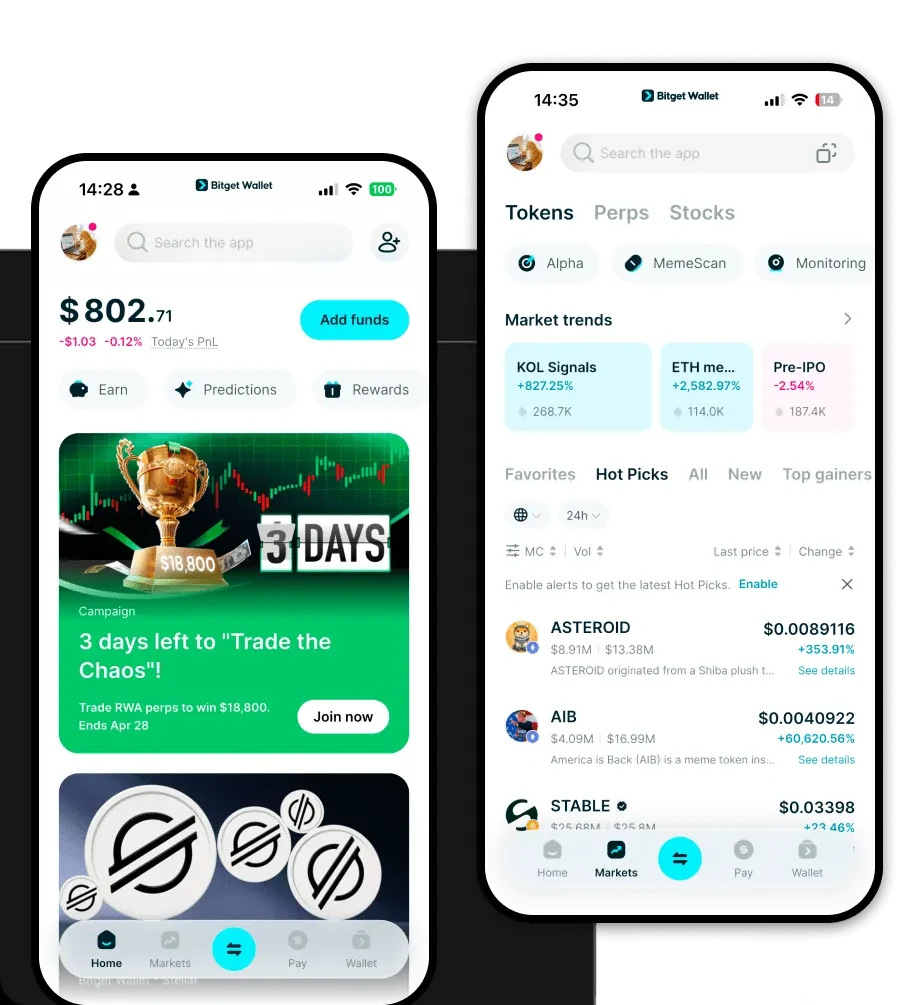
## What is a Future Protocol Wallet? To understand the Future Protocol wallet, one must first understand the asset it is designed to protect. Future Protocol is an experimental derivative token that draws its core architecture from the Flap ecosystem, specifically utilizing automatic trading tax and a unique 'Dark Entropy' black hole design. This project is currently being developed by a small, anonymous team and is in the midst of rigorous contract refactoring and audit submissions to ensure long-term viability. At its core, Future Protocol operates on the EVM (Ethereum Virtual Machine) blockchain. Its value proposition is built around a sophisticated, self-regulating tokenomics model. The mechanism functions by funneling transaction taxes into a treasury, which activates once the pool reaches a threshold of 1 BNB. Every 10 minutes, the system performs a price sampling of the liquidity pool. When the price dips and net sell orders dominate the market, the protocol automatically triggers a batch buyback and burn process. This deflationary mechanic is designed to provide stability and support for DeFi liquidity. Because Future Protocol is an EVM-based token, a 'Future Protocol wallet' is essentially any non-custodial, EVM-compatible wallet that allows you to store, send, and interact with smart contracts on the network. ## Download Bitget Future Protocol Wallet When seeking the best wallet for Future Protocol, security and usability are paramount. Bitget Wallet stands out as a premier choice for managing EVM-compatible assets. It provides a non-custodial environment, meaning you maintain complete control over your private keys and seed phrases, ensuring that only you have access to your funds. The wallet is designed to be highly accessible, offering a seamless experience across iOS, Android, and as a browser extension. Whether you are trading on the go or managing complex DeFi positions from a desktop, Bitget Wallet ensures your assets are always synchronized. To get started, you can 'download Bitget Wallet' (https://web3.bitget.com/zh-CN/wallet-download) and set up your personal gateway to the ecosystem. ## Why Choose Bitget Future Protocol Wallet? Choosing the right wallet for an experimental DeFi token like Future Protocol requires specific features that cater to the EVM environment. Here is why Bitget Wallet is the superior choice: - Advanced EVM Compatibility: Bitget Wallet is built from the ground up to support the Ethereum Virtual Machine, ensuring that you can interact with Future Protocol’s specific contract functions without compatibility errors. - Robust Security Architecture: With a 300 million USD user protection fund, Bitget provides a significant safety net, offering peace of mind when holding tokens that are still in experimental phases. - Real-time DeFi Integration: The wallet features an integrated DApp browser that allows you to connect directly to the liquidity pools and staking platforms where Future Protocol operates, bypassing the need for insecure third-party connectors. - Multi-chain Aggregation: While Future Protocol operates on the EVM, your crypto journey likely involves other chains. Bitget supports over 130 mainnets, allowing you to manage your entire portfolio in one interface. - Low-Latency Transaction Routing: For tokens with automated buyback mechanisms, speed is essential. Bitget optimizes transaction routing to ensure your interactions with the blockchain are fast and cost-effective. ## How to Create a Future Protocol Wallet Setting up your wallet is a straightforward process that emphasizes user sovereignty. Follow these five steps: 1. Install the Application: Visit the official website to download the Bitget Wallet app for your mobile device or browser. 2. Create a New Wallet: Open the app and select 'Create a New Wallet.' The system will generate a unique mnemonic phrase (seed phrase). 3. Secure Your Seed Phrase: Write down your seed phrase on paper and store it in a secure, offline location. Never take a screenshot or store it digitally. 4. Add Future Protocol: Since it is an EVM token, you may need to import the token contract address manually if it is not automatically detected. Go to the 'Manage Tokens' section, select the EVM network, and paste the contract address. 5. Verify and Use: Once added, your Future Protocol balance will reflect in your wallet dashboard, and you are ready to engage with the ecosystem. ## What Can You Do With a Future Protocol Wallet? Owning a Future Protocol wallet opens the door to several key activities within the DeFi space: - Trading: You can easily swap Future Protocol for other assets on decentralized exchanges (DEXs) aggregated within the Bitget Wallet interface, taking advantage of the best available prices. - Providing Liquidity: By depositing your tokens into the liquidity pools, you help stabilize the token price and earn potential rewards from the trading fees generated by the protocol. - Yield Farming: You can stake your tokens in designated yield farming protocols to earn interest or additional token rewards, leveraging the deflationary nature of the asset. - Holding for Deflationary Value: Many users choose to hold Future Protocol in their wallet to benefit from the automatic buyback and burn mechanics, which are designed to reduce supply over time and potentially enhance the value of remaining tokens. ## How Future Protocol Wallets Are Different from Other Crypto Wallets It is important to distinguish why a wallet optimized for Future Protocol (an EVM token) differs from other types of crypto storage. Future Protocol operates on an account-based model, which is standard for EVM chains. This means your wallet tracks a balance associated with a specific address, and every interaction—whether a simple transfer or a complex interaction with a buyback contract—requires the payment of 'gas fees' to the network miners or validators. In contrast, wallets designed for UTXO (Unspent Transaction Output) chains, like Bitcoin, function differently, tracking individual output chunks rather than a single account balance. Because Future Protocol is an EVM token, your wallet must be able to parse smart contract data and interact with complex logic (like the 10-minute price sampling mechanism). A general-purpose or non-EVM wallet would be unable to perform these functions, making it essential to use a wallet like Bitget that is designed for the intricacies of smart contract interactions and EVM gas management.